No products in the basket.

 Zakaria Belkhay
June 29, 2026
Zakaria Belkhay
June 29, 2026
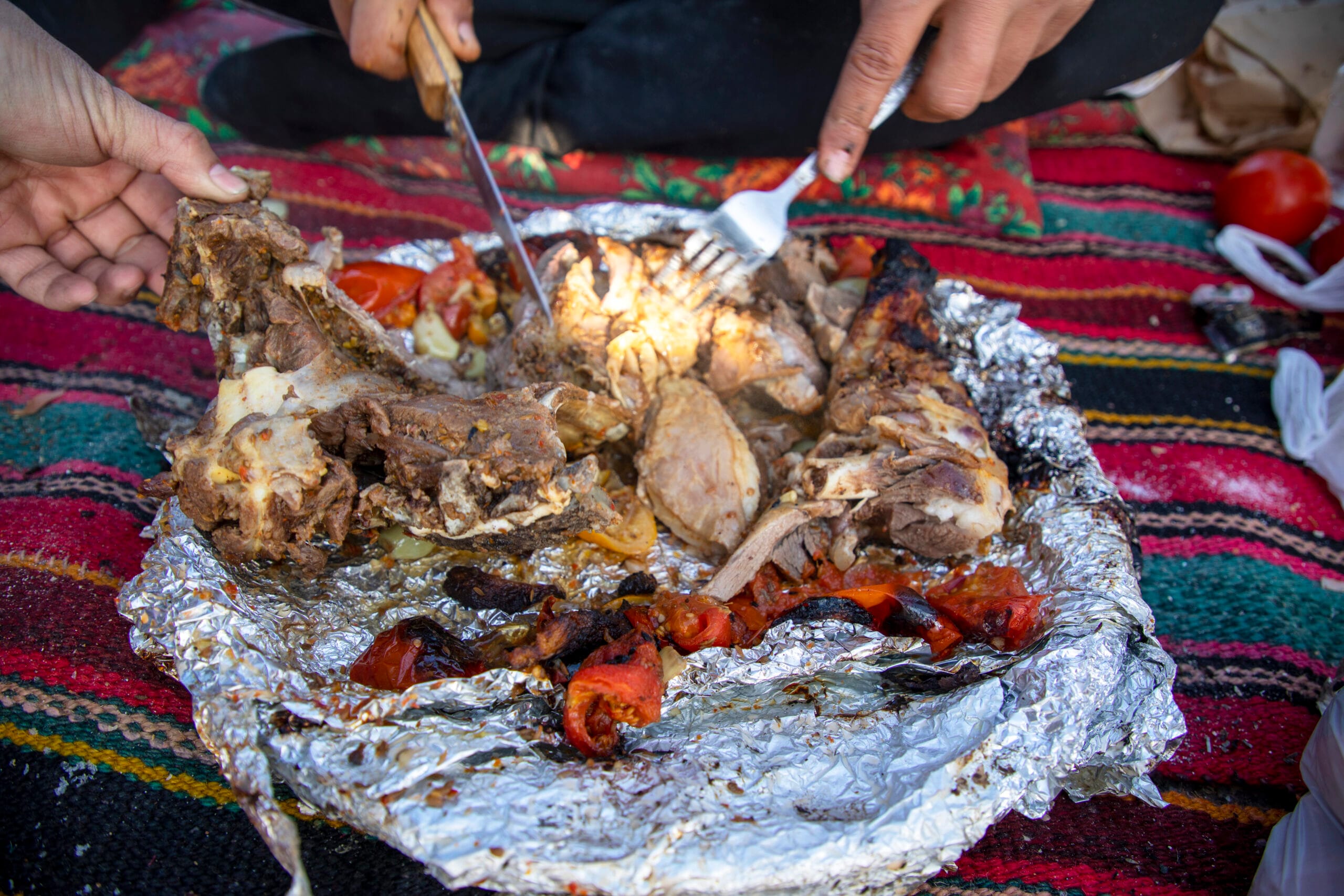
There are dishes that feed people, and there are dishes that bring people together. Moroccan mechoui belongs firmly in the second category. A whole lamb, seasoned with cumin, salt, and rendered butter, then lowered into a sealed earthen pit and left to roast over smoldering embers for hours — mechoui is as much about patience and community as it is about flavor.
The word mechoui comes from the Arabic root meaning “to grill” or “to roast,” but the technique goes far beyond a backyard barbecue. It is a method passed down through generations of Berber and Arab communities across Morocco, particularly in the desert regions south of Marrakech, the Draa Valley, and the plateaus around Ouarzazate.
Today, mechoui is prepared for moussems (local festivals), Eid celebrations, weddings, and increasingly, as the centerpiece of Agafay desert dinner experiences that give international visitors a genuine taste of Moroccan tradition. Below, we walk through ten defining aspects of how this extraordinary dish is made — from pit construction to the final pull of tender, smoky meat.
Moroccan mechoui begins long before anyone lights a fire. The quality of the finished dish depends almost entirely on which animal is chosen, and experienced cooks are deliberate about every detail.
The ideal lamb for mechoui is young — typically between six and twelve months old — and weighs between 15 and 25 kilograms. At this age, the meat is tender enough to pull cleanly from the bone after a long roast, but substantial enough to develop deep flavor during the extended cooking process. Older animals can be used, but the texture becomes tougher and the cooking time increases considerably.
Breed matters too. Morocco’s Timahdite and Sardi breeds, both raised in the Atlas Mountain foothills, are favored by cooks who prepare mechoui regularly. These sheep graze on wild herbs and highland grasses, which contributes a subtle complexity to the meat that grain-fed animals simply cannot replicate.
Whole carcass versus partial is another consideration. For a traditional pit roast, the lamb is prepared whole — head included — which ensures even heat distribution around the cavity and allows the fat to baste the meat from the inside out as it melts during cooking. Some urban preparations use a leg or shoulder, but purists — and most desert cooks — insist on the whole animal.
The lamb is sourced from local markets or farms, often purchased the same day or the day before the feast. In rural Morocco, this selection process is communal: the host, the cook, and often a respected elder will inspect the animal together before any agreement is reached.
Tip : If you are attending a mechoui feast in the Agafay desert or a rural setting near Marrakech, ask your host about the animal’s origin. A good cook will know exactly where it came from and will talk about it with visible pride.
The earthen pit — called a tanour or fouia depending on the region — is the defining technology behind mechoui. It is not a simple hole in the ground. The construction of a proper roasting pit is a skill in itself, one that determines whether the lamb roasts evenly or unevenly, retains moisture or dries out.
A typical pit measures roughly 60 to 80 centimeters in diameter and between 80 centimeters and one meter deep. The walls are sometimes reinforced with clay or stone to retain heat efficiently, particularly in sandy desert environments where loose soil would crumble and compromise the seal. In the Agafay desert plateau and the arid plains south of Marrakech, traditional cooks have often used the same pit sites for decades, with walls that have been hardened by repeated firings.
The pit is lined at the base with wood — typically argan wood, olive wood, or other hardwoods available locally. These woods burn slowly and produce consistent, long-lasting embers rather than a fierce flame. A large fire is built inside the pit and allowed to burn down for one to two hours before the lamb is introduced. The goal is a bed of glowing coals, not an active flame, which would char the exterior of the meat before the interior ever cooked through.
Once the coals reach the right temperature — experienced cooks judge this by the color, heat radiation, and the way a handful of soil reacts when tossed near the pit — the preparation shifts to the lamb itself. The pit is ready; the real work can begin.
Tip : The type of wood used in the pit significantly affects the smoke flavor absorbed by the meat. Argan wood, unique to southwest Morocco, gives mechoui a subtly nutty, earthy undertone that is difficult to reproduce elsewhere.
One of the things that surprises people encountering mechoui for the first time is how restrained the seasoning is. There is no ras el hanout here, no complex layering of a dozen spices. Moroccan mechoui relies on a very short list of ingredients, applied with care and intention.
The core preparation involves smen (a fermented, salted Moroccan butter with a sharp, funky aroma), coarse sea salt, and cumin. Some cooks add a small amount of sweet paprika or a pinch of black pepper, but these are additions, not essentials. The smen is the critical element. Rubbed generously over the entire surface of the lamb — inside the cavity and out — it acts as a basting agent throughout the roast, melting slowly into the meat and keeping it moist as the long heat does its work.
The preparation is done by hand. The cook massages the seasoning into every surface, working it under the skin where possible, particularly around the shoulders and hindquarters where the meat is thickest. The cavity is packed with additional smen and salt, sometimes with whole heads of garlic or sprigs of wild thyme depending on the regional style.
This simplicity is deliberate. The philosophy behind mechoui is that good lamb, properly raised and properly cooked, does not need to be disguised. The smoke, the fat, the slow heat — these are the real flavorings. The spice rub is a supporting character, not the lead.
At the table, cumin and salt are always served on the side for guests to add according to their preference. The combination of cumin and mechoui is so established in Moroccan food culture that the two are essentially inseparable.
Tip : Smen can be difficult to find outside Morocco, but clarified butter (ghee) works as a functional substitute in home recreations. The flavor will be milder, but the basting effect is similar.
Getting the lamb into the pit correctly is a step that most outside observers underestimate. The positioning of the carcass within the pit affects how heat circulates around the meat and, ultimately, how evenly it cooks.
In the most traditional method, the lamb is suspended over the embers rather than placed directly on them. A metal rod or wooden stake is driven through the length of the carcass — from the rear legs through to the neck cavity — and the rod is then supported at either end across the rim of the pit. This elevated position ensures that the radiant heat from the coals surrounds the meat without the base burning against a direct surface.
Some regional variations position the lamb differently. In parts of the Souss valley and the Draa Valley, the animal is hung vertically, head downward, from a wooden frame that spans the mouth of the pit. This method is particularly effective when the pit is shallower, as it maximizes the exposure of the exterior surface to the rising heat.
Once positioned, the pit is sealed. This is perhaps the most important step in the entire process. A sheet of metal, a wooden board, or in older traditions a fitted stone slab, is placed across the top of the pit and then packed tight with wet clay or soil to create an airtight seal. This transforms the pit into a radiant oven where heat, moisture, and smoke are trapped together — a closed system that is the secret behind mechoui’s extraordinary texture.
The seal is not opened until the cook decides the lamb is ready. Any premature break releases the accumulated heat and steam, extending the cooking time and compromising the result.
Tip : In many Agafay desert dinner experiences, guests can watch the pit-sealing process as part of the evening. It is a genuinely theatrical moment — and a reminder that this is cooking at its most elemental.
If there is one virtue that mechoui demands above all others, it is patience. Once the pit is sealed, the cook surrenders control. The fire does what fire does. The meat does what meat does. The cook waits.
A whole lamb in a properly prepared earthen pit takes three to five hours to reach the right stage of doneness, depending on the size of the animal, the intensity of the initial fire, and ambient conditions. In cooler weather or at higher altitudes — along the Atlas foothills, for example — the time can extend closer to six hours. In the dry heat of the Agafay plateau in summer, a small lamb may be ready in under three.
During this period, experienced cooks do not simply wait passively. They monitor the external temperature of the sealed pit by placing a hand near (not on) the clay seal, checking for consistent warmth. If the heat seems to be dropping too quickly, additional coals may be added around the exterior of the pit rather than inside it, so as not to break the seal.
The smells that escape through any imperfection in the seal are the most immediate clue that things are going well. A rich, fatty, lightly smoky aroma — not acrid or sharp — means the lamb is rendering correctly. A slightly sweet, caramelized note begins to emerge in the final hour, which signals that the surface fat is beginning to crisp.
This waiting period is not dead time in Moroccan culture. It is social time. Music, tea, conversation — the preparation of the feast and the feast itself are woven together, and the hours spent waiting for mechoui to finish are part of the experience, not a prelude to it.
Tip : The internal temperature target for mechoui is well beyond medium — closer to 85 to 90 degrees Celsius at the thickest part of the shoulder. At this point, collagen has fully broken down and the meat pulls apart with almost no resistance.
When a mechoui pit is finally opened, it produces one of the most memorable sensory moments in Moroccan food culture. The clay seal is broken with a tool — sometimes a chisel, sometimes just a heavy stone — and a rush of steam, smoke, and intensely concentrated roasted-lamb aroma escapes into the air. Guests who have been waiting for hours instinctively lean forward.
The moment the seal breaks is also when the cook makes the final assessment. A properly cooked mechoui lamb will have skin that has crisped and darkened to a deep mahogany or amber color. The legs, when lifted, should rotate freely in the joint — a sign that the connective tissue has fully broken down. The shoulder meat should visibly pull away from the bone with minimal effort.
If the lamb is not yet ready — which happens, particularly with larger animals or a fire that burned down too quickly — the seal is replaced and the pit is left for an additional thirty to sixty minutes. Experienced cooks rarely need this correction, but the willingness to wait rather than serve undercooked meat is a mark of professionalism and respect for the guests.
Once the cook confirms the lamb is done, it is lifted from the pit and transferred to a large wooden or metal tray. In some preparations, particularly for formal celebrations, the whole lamb is brought to the table intact and guests tear the meat directly from the carcass by hand — no cutlery, no plates, just bread and fingers. In more structured settings, the cook portions the meat at a carving station.
Either way, the signal is the same: the wait is over, and the feast begins.
Tip : The crackled skin of mechoui — what Moroccans call the <em>kroucha</em> — is considered a delicacy. Guests of honor are often offered the first pieces. If you are offered it, accept.
The way mechoui arrives at the table is as culturally specific as the cooking method itself. Understanding the serving traditions helps a visitor engage with the meal more fully rather than simply eating it.
In traditional Moroccan settings, mechoui is eaten communally. The lamb is placed in the center of the gathering — on a large round tray called a siniya — and guests reach in with the right hand to pull tender pieces of meat. This is not considered informal or rough; it is the correct and respectful way to eat mechoui, and it reflects the dish’s deep roots in nomadic and tribal hospitality culture.
Two condiments are always present: a small dish of ground cumin and a dish of coarse salt. Guests pinch a piece of pulled meat, season it lightly, and eat. The ritual is simple, unhurried, and deeply satisfying.
Bread — typically khobz, the round Moroccan flatbread — is served alongside. It serves both as a utensil and as a vehicle for soaking up the rendered fat and cooking juices that pool at the base of the serving tray. This is not a secondary component; the bread-and-drippings combination is considered one of the highlights of the meal by many Moroccans.
In desert dinner settings around Marrakech and the Agafay, mechoui is sometimes presented as part of a broader spread that includes harira soup, Moroccan salads, and bastilla — turning it into a multi-course feast rather than a standalone dish. The lamb remains the centerpiece, but the surrounding dishes provide context and contrast.
Tip : Pace yourself during a mechoui feast. The meat is extraordinarily rich and filling, and it is easy to eat past the point of comfort before realizing it. Start with smaller pieces and allow time between portions.
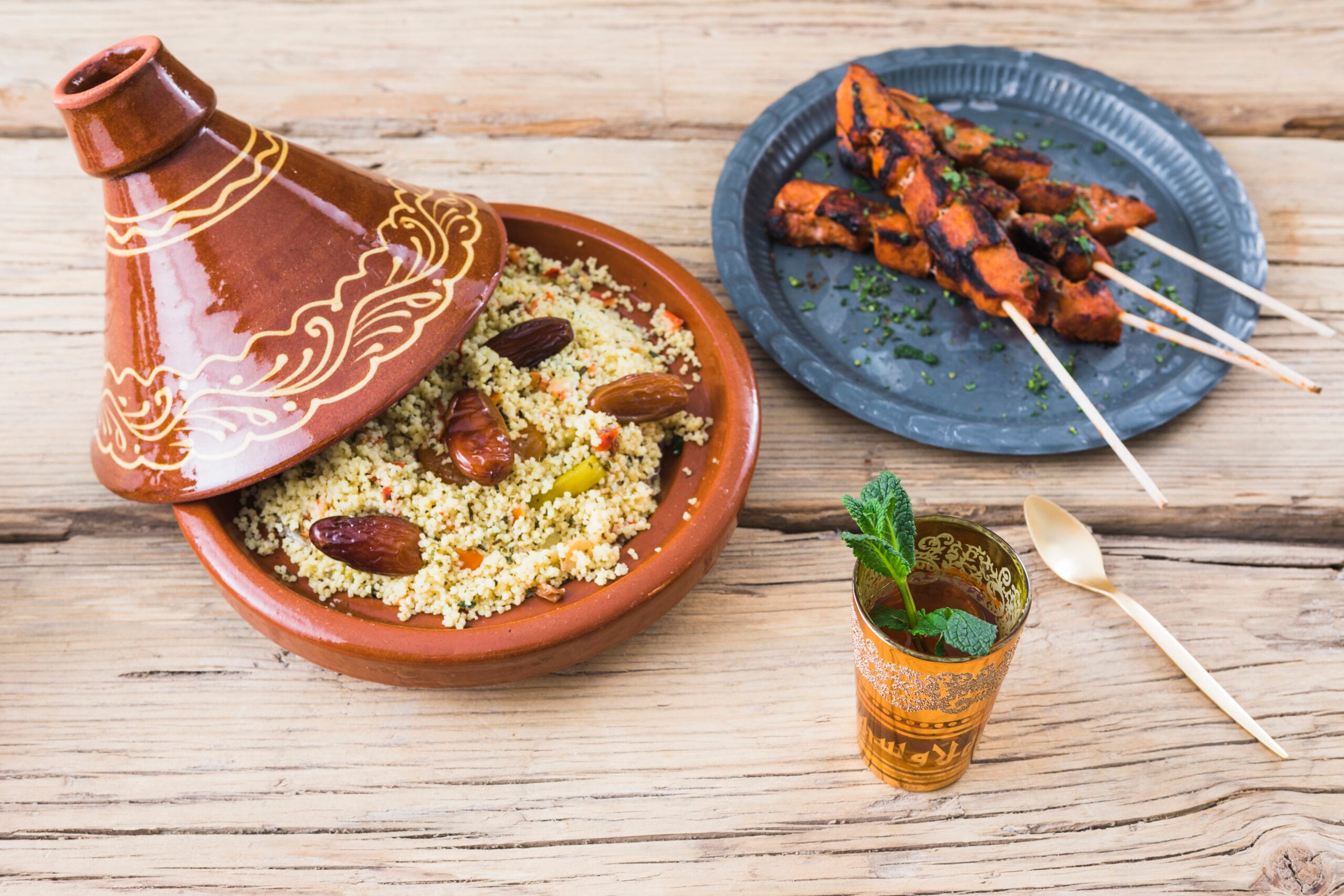
Moroccan mechoui is not a single monolithic dish. Like most great traditional foods, it shifts and adapts as you move across the country, reflecting local ingredients, climate, and cultural emphasis. Knowing these regional differences adds depth to any encounter with the dish.
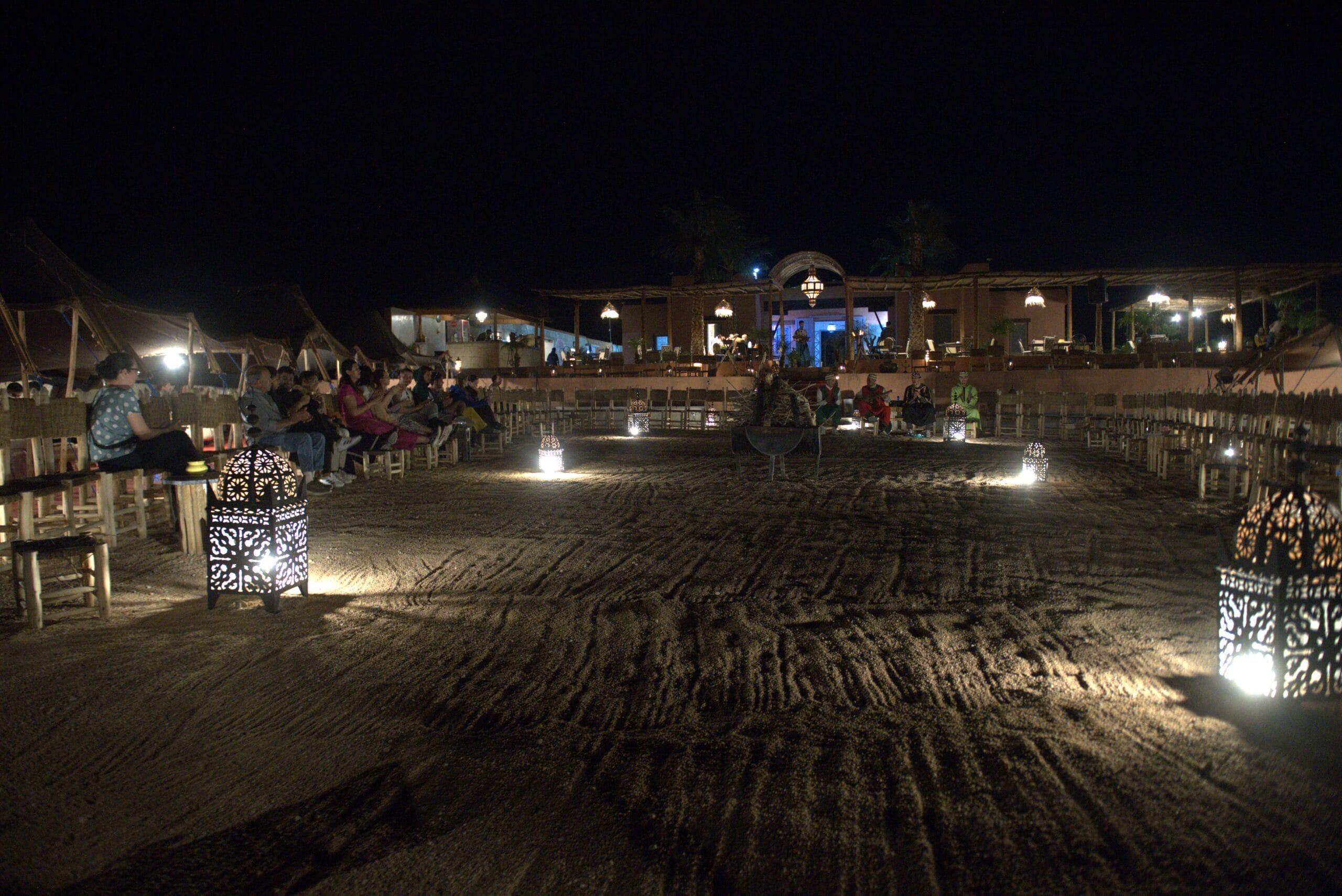
In the Agafay desert and the Marrakech region, mechoui tends to be prepared for large groups — weddings, corporate gatherings, and cultural dinner experiences. The Agafay’s flat, rocky terrain and dry heat create excellent conditions for outdoor pit roasting, and the tradition here often incorporates entertainment: live Gnawa music, folkloric performances, and stargazing as the lamb cooks. The experience is intentionally immersive.
In Fes and the northern interior, mechoui preparation is slightly more refined. The spice profile can include a touch of saffron or preserved lemon in the cavity stuffing, reflecting the city’s reputation for more elaborate culinary technique. The serving style is also often more formal, with individual plated portions rather than communal tearing.
Further south, in the Draa Valley and toward Zagora and Merzouga, mechoui takes on a starker character. Fewer embellishments, harder terrain, and a stronger connection to Saharan nomadic traditions produce a dish that is intensely smoky and seasoned with restraint. The social context here is often smaller — a family celebration rather than a public feast.
Along the Atlantic coast near Essaouira, you occasionally encounter variations that incorporate sea salt harvested locally and lamb raised on coastal salt marshes, which gives the meat a distinctive mineral quality quite different from its inland counterparts.
Tip : If you are traveling between Marrakech and Ouarzazate, roadside mechoui stops in villages like Aït Ourir and Tahannaout offer some of the most honest, least touristic versions of the dish in the region.
To understand mechoui fully, you need to understand where it belongs in Moroccan social life. This is not everyday food. It is celebration food, and that distinction shapes everything about how it is prepared, served, and received.
The most significant occasion for mechoui is Eid al-Adha, the festival of sacrifice observed across the Muslim world. In Morocco, virtually every family with the means to do so slaughters a lamb on this day, and many communities roast it whole as mechoui. The scale of preparation during Eid is staggering — in rural areas near Marrakech and throughout the Atlas foothills, dozens of pits may be dug simultaneously across a single village.
At Moroccan weddings, mechoui typically appears as one of the later courses in a long succession of dishes — following harira, pastilla, and various tagines. Its arrival signals that the feast is approaching its peak. In wealthier celebrations, multiple whole lambs may be served to accommodate hundreds of guests, with the meat carved and distributed so that every table receives an equal share.
Moussems — the regional religious festivals that dot the Moroccan calendar throughout the year — are another major context for communal mechoui preparation. These multi-day events, tied to the commemoration of local saints, bring together thousands of participants and always involve large-scale communal cooking. Mechoui pits dug for a moussem can be twice the size of those used for private occasions.
For visitors attending any of these events as guests, the offering of mechoui is a gesture of significant generosity. Acknowledging it as such — eating with enthusiasm, complimenting the cook, accepting second portions — is the appropriate and appreciated response.
Tip : Eid al-Adha follows the Islamic lunar calendar, so the date shifts by approximately eleven days each year relative to the Gregorian calendar. Timing a visit to Morocco around Eid offers a genuinely unrepeatable cultural experience.
For travelers based in Marrakech, encountering authentic mechoui does not require a journey deep into the Sahara or an invitation to a private wedding. Several accessible options bring the tradition within reach of a short excursion.
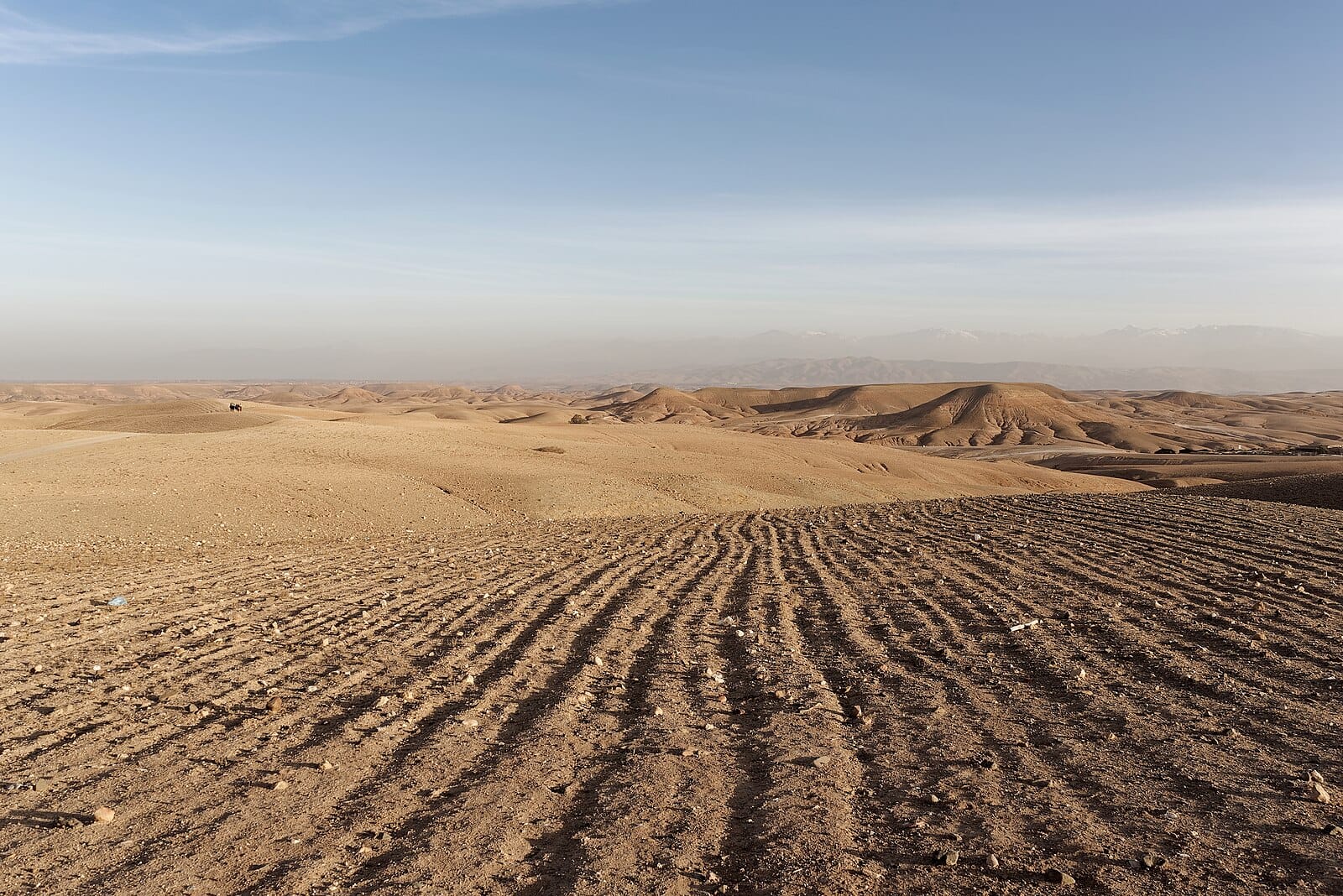
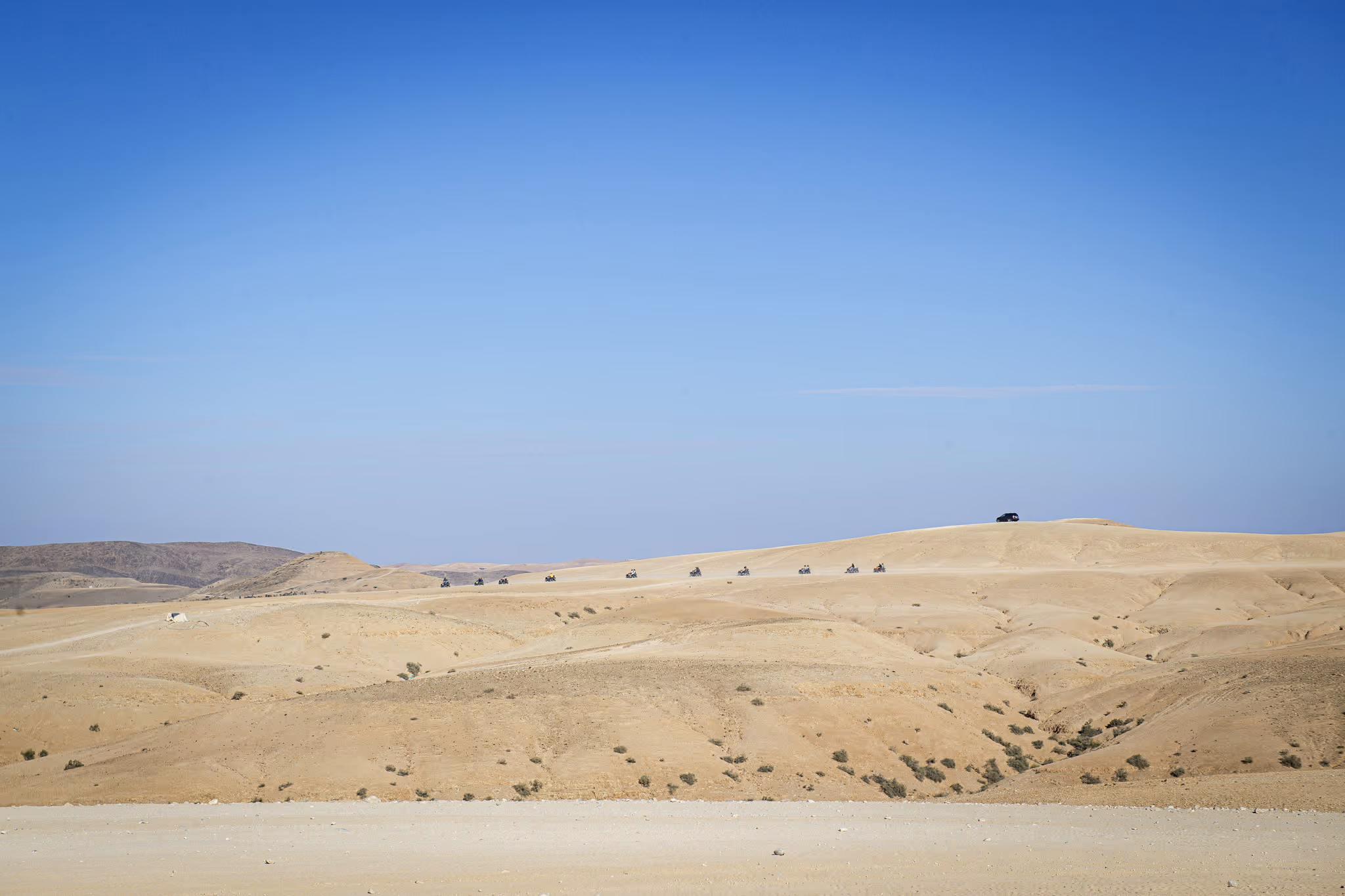
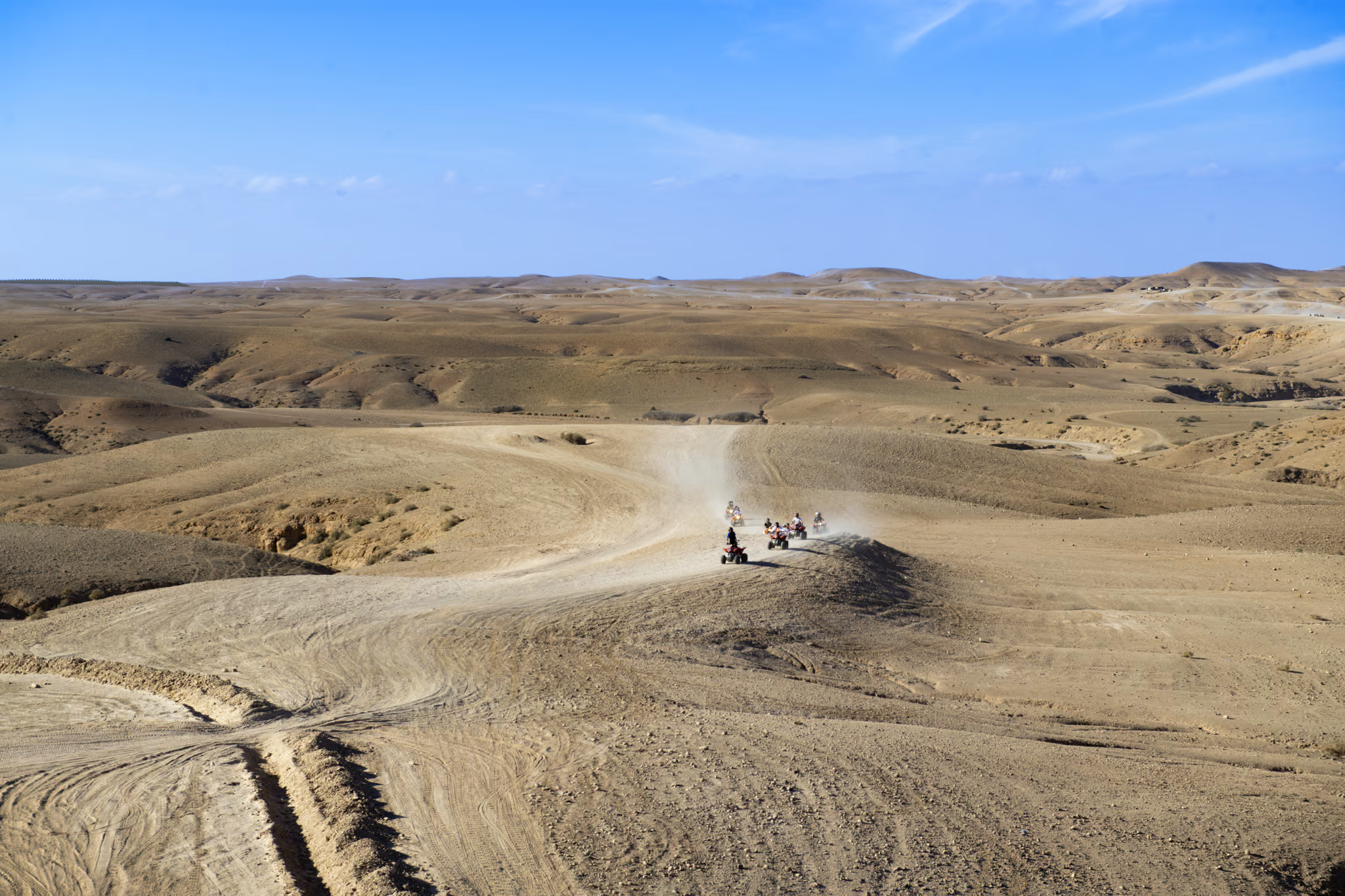
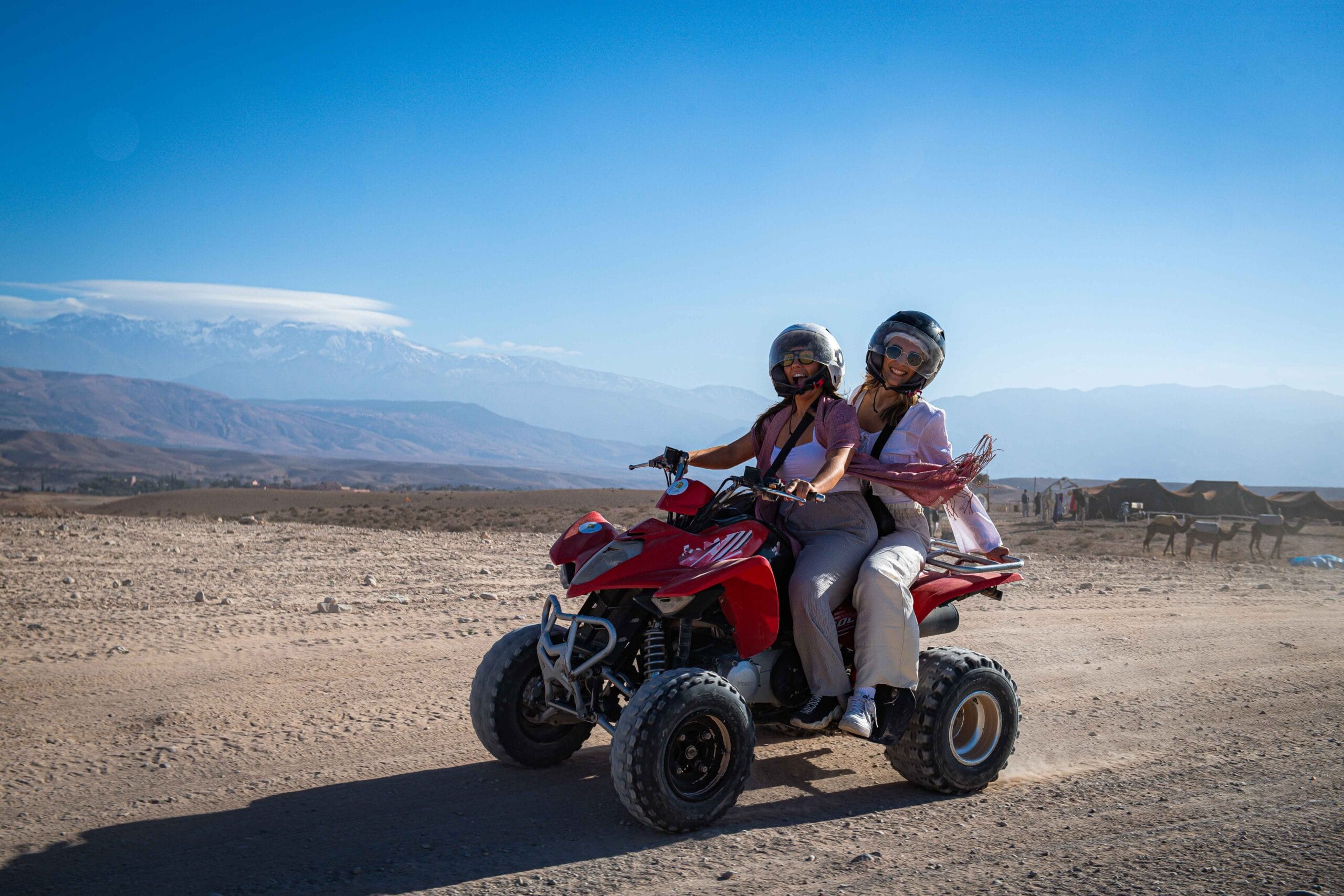
The Agafay desert, located about 35 kilometers southwest of Marrakech, has become one of the most compelling settings for mechoui dinner experiences in Morocco. The rocky plateau, open sky, and relative proximity to the city make it a natural destination for evening events that combine cultural dining with outdoor atmosphere. A number of operators — including Quad Marrakech — run sunset and dinner experiences in the Agafay that incorporate mechoui as the centerpiece of the meal, often paired with live music and the kind of setting that makes the whole thing feel genuinely earned after an afternoon of quad biking or camel trekking.
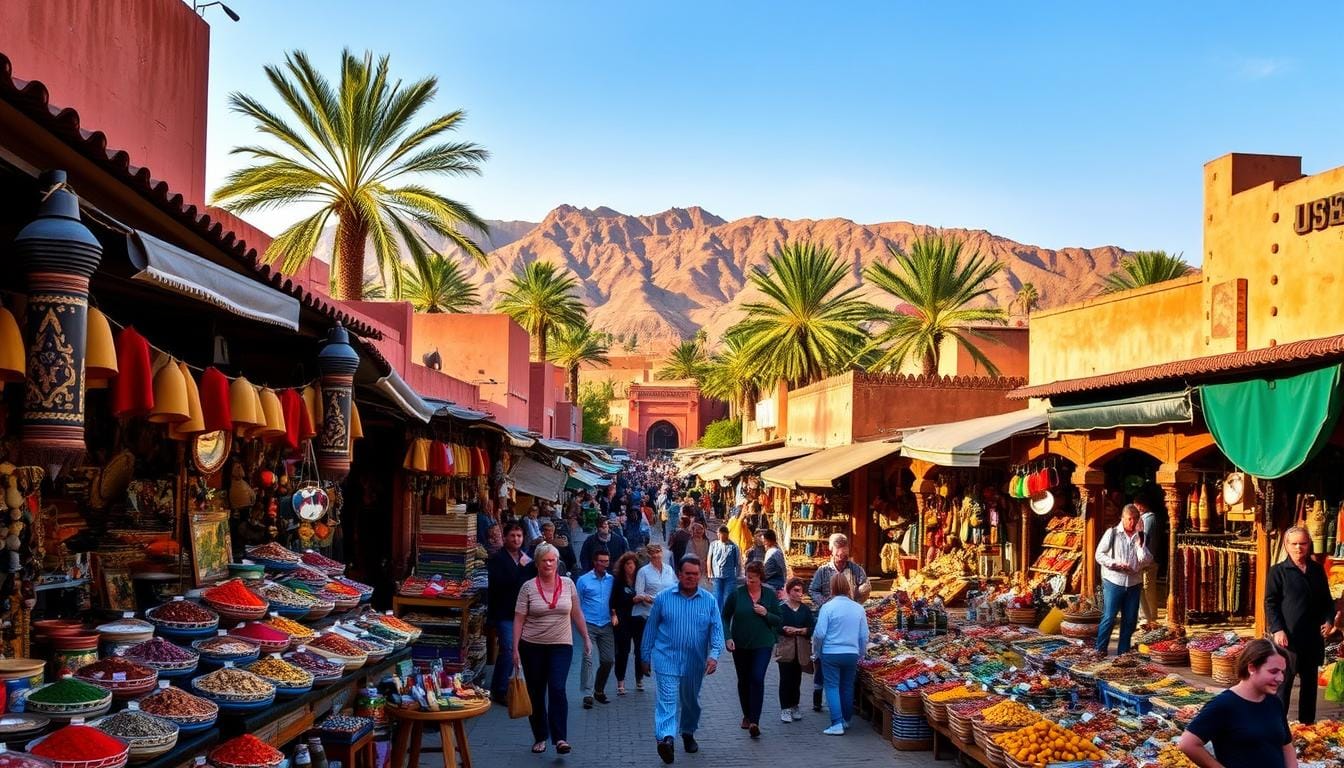
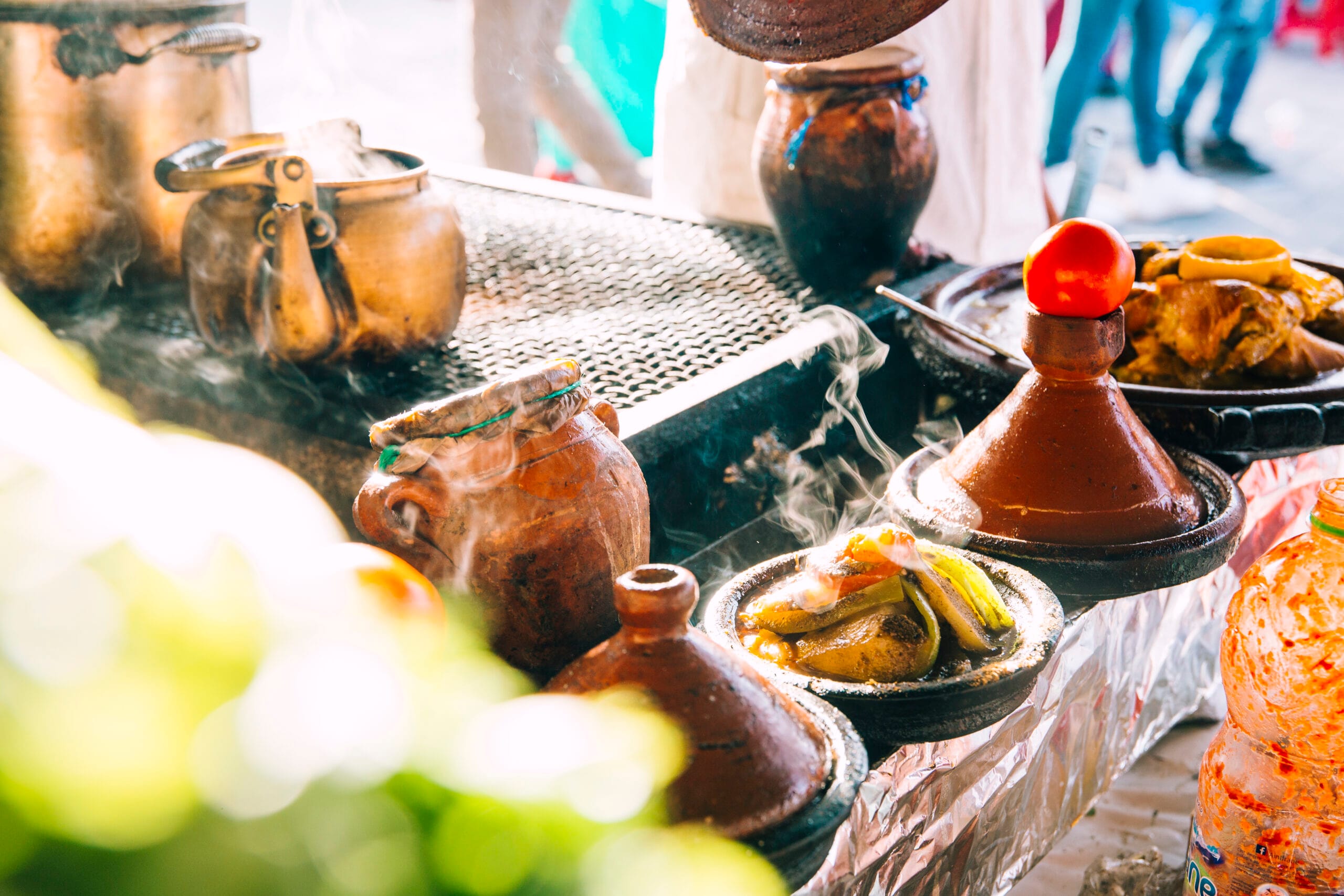
Within Marrakech itself, the Djemaa el-Fna square and the surrounding medina contain several specialist restaurants and stalls where mechoui is prepared daily in large clay pots or smaller earthen ovens. The most established of these have been serving the same preparation for decades — look for queues of locals rather than menus written in multiple languages.
The Mellah market and the area around Bab Doukkala also have informal mechoui vendors, particularly on Friday afternoons following the midday prayer. These are not tourist operations; they are neighborhood institutions, and eating at them feels accordingly different.
Wherever you choose to try mechoui near Marrakech, the experience rewards an unhurried approach. This is food designed to slow you down, gather people around a common point, and produce the kind of shared memory that outlasts any itinerary.
Tip : Booking an Agafay desert dinner experience that includes mechoui is most rewarding when combined with an afternoon activity — quad biking, buggy riding, or a camel trek — so that the arrival at the table feels like a genuine transition from adventure to rest.
Moroccan mechoui is, at its core, a lesson in restraint and trust — trust in the animal, trust in the fire, trust in time. From the selection of a young Atlas lamb to the breaking of the clay seal hours later, every step in the process reflects a philosophy that has nothing to do with speed or convenience and everything to do with doing things properly.
For travelers visiting Marrakech, encountering mechoui is not a box to tick on a cultural checklist. It is an invitation into a different relationship with food, gathering, and hospitality. The Agafay desert, just 35 kilometers from the city, offers one of the most accessible and genuinely atmospheric settings to experience it — particularly when the meal follows an afternoon of outdoor adventure on the plateau.
If you are ready to combine the thrill of the desert with the warmth of a traditional Moroccan feast, explore the Agafay dinner experiences at Quad Marrakech and add something real to your time in Morocco.
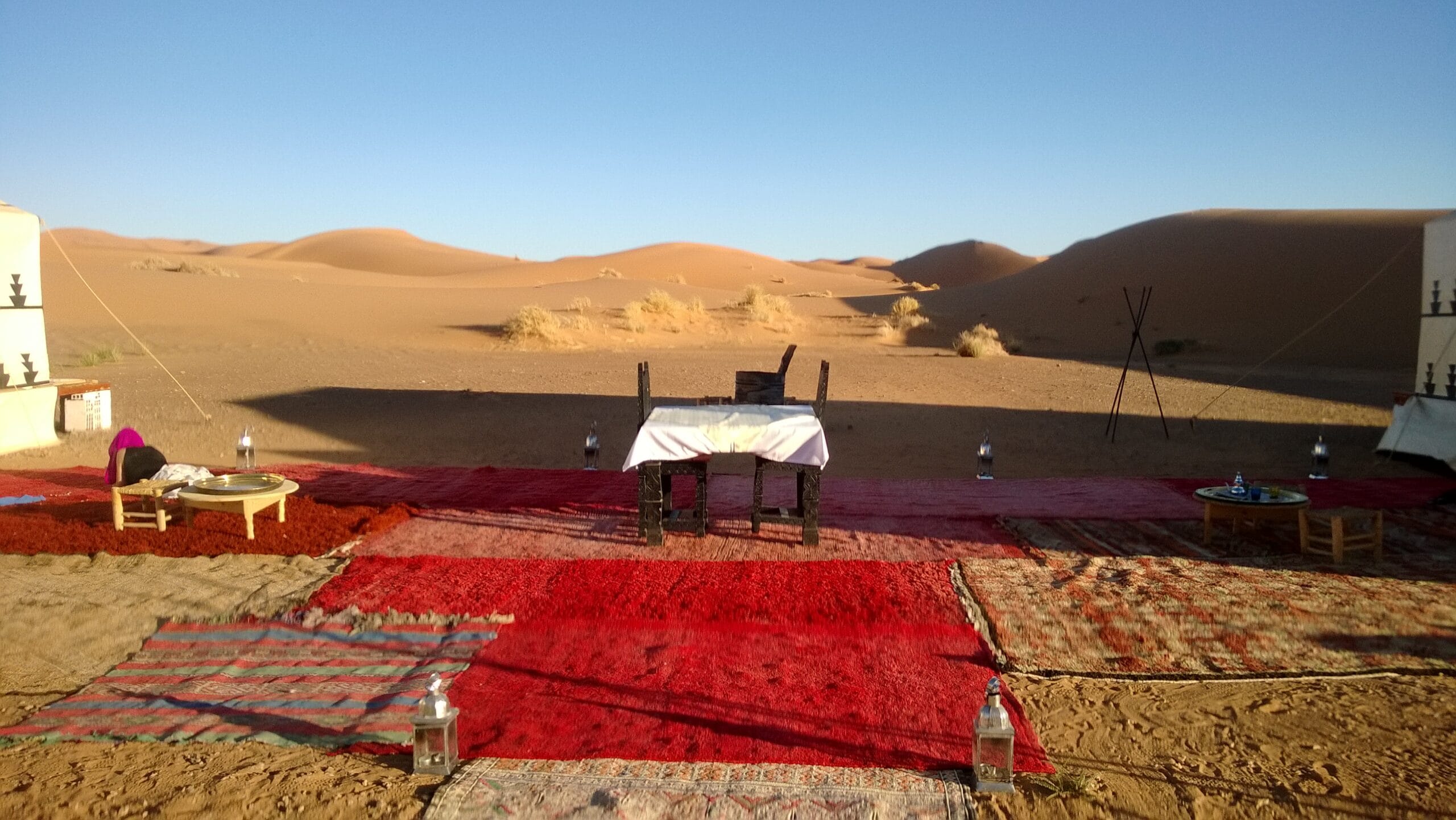
Moroccan mechoui is a whole lamb slow-roasted in a sealed earthen pit over hardwood embers. Unlike oven or grill roasting, the pit traps heat, moisture, and smoke, producing meat that is extraordinarily tender and deeply flavored. The method is traditional to Berber and Arab communities across Morocco and is tied to celebrations rather than everyday cooking.
A whole lamb in a properly prepared earthen pit typically takes three to five hours to cook. Larger animals or cooler conditions can extend this to six hours. The pit is sealed throughout the cooking process, and the seal is not broken until the cook judges the lamb ready.
Mechoui seasoning is deliberately simple: smen (fermented Moroccan butter), coarse sea salt, and ground cumin. Some cooks add paprika or garlic, but the preparation avoids complex spice blends. Cumin and salt are also served on the side at the table for guests to season their own portions.
Authentic mechoui is available at specialist stalls in the medina near Djemaa el-Fna, at Friday market vendors around Bab Doukkala, and through Agafay desert dinner experiences approximately 35 kilometers from Marrakech. The Agafay setting combines mechoui with outdoor atmosphere and often includes live music and desert activities.
In traditional settings, yes. Mechoui is placed on a central tray and guests pull meat with the right hand, seasoning it with cumin and salt. Bread is served alongside to absorb the cooking juices. Some formal or tourist-facing presentations offer portioned servings, but communal eating remains the culturally authentic approach.
Hardwoods that produce long-lasting embers are preferred: argan wood, olive wood, and other locally available varieties. Argan wood, native to southwest Morocco, gives the meat a subtly nutty smoke character. The fire is burned down to coals before the lamb is placed in the pit — an active flame would char the exterior before the interior cooks through.