No products in the basket.

 Zakaria Belkhay
April 21, 2026
Zakaria Belkhay
April 21, 2026
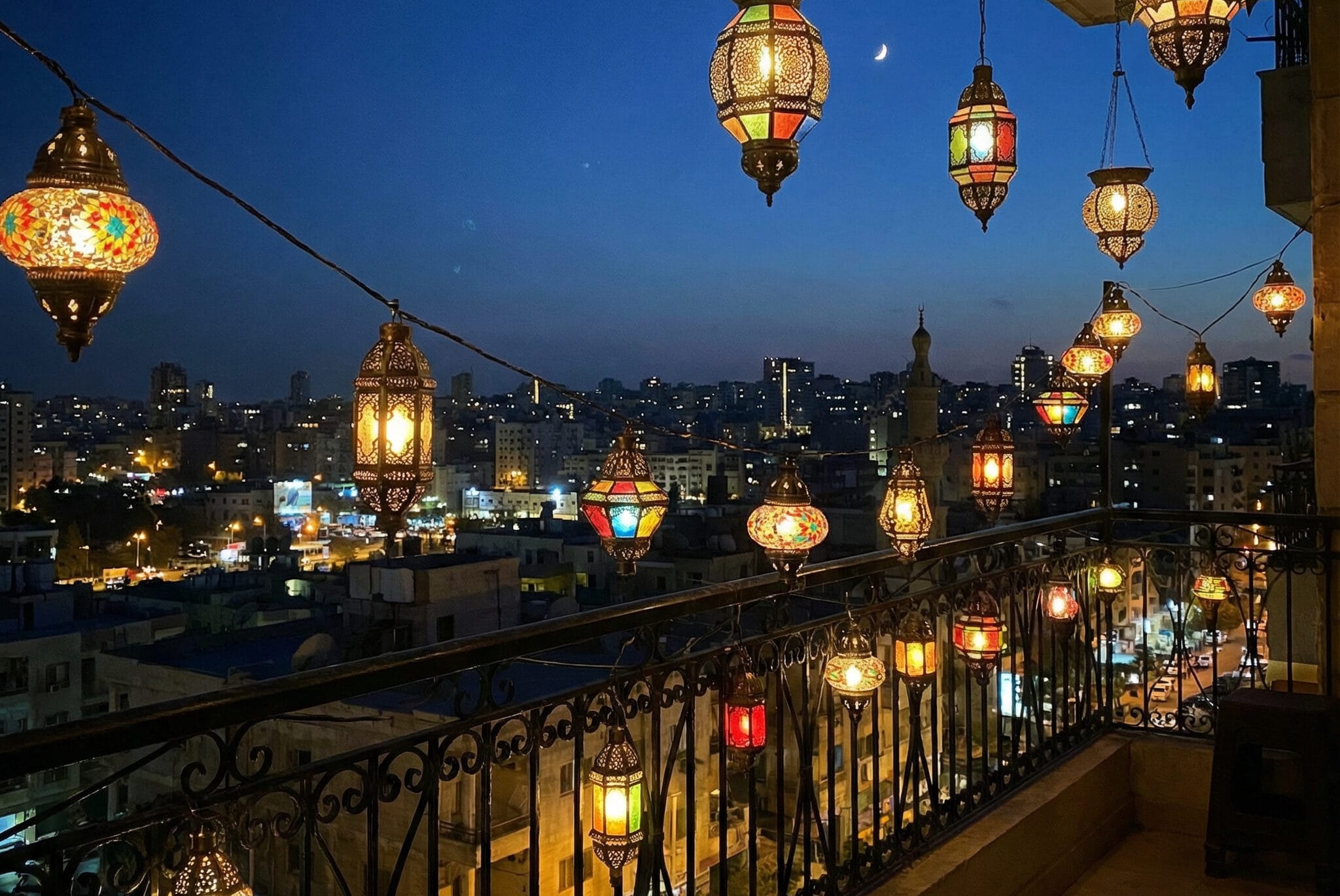
Marrakech at night is a completely different city from Marrakech in the afternoon — and most travelers who arrive exhausted after a day in the souks miss it entirely by retreating to their riad too early.
As the sun sets, the medina transforms. The suffocating afternoon heat softens to a warm, perfumed evening breeze. The souks light up with lanterns and the clamor of street vendors reaches fever pitch. Jemaa el-Fna square explodes into one of the world’s great outdoor spectacles — storytellers, acrobats, snake charmers, gnawa musicians and a hundred food stalls filling the air with smoke and spice. Rooftop terraces fill with the sound of conversation and mint tea being poured from impossible heights.
This guide covers the 12 best things to do in Marrakech at night, organized from the free and spontaneous to the planned and extraordinary. Whether you have two hours or a full evening, Marrakech after dark rewards every minute you give it.
| Quick Note: Marrakech is a Muslim city and its nightlife is culturally distinct from European capitals. Alcohol is available in licensed restaurants, hotels and a small number of bars — but the city’s real evening energy is found in non-alcoholic experiences: night markets, food stalls, live music, hammams and rooftop dining. This guide covers all of it. |
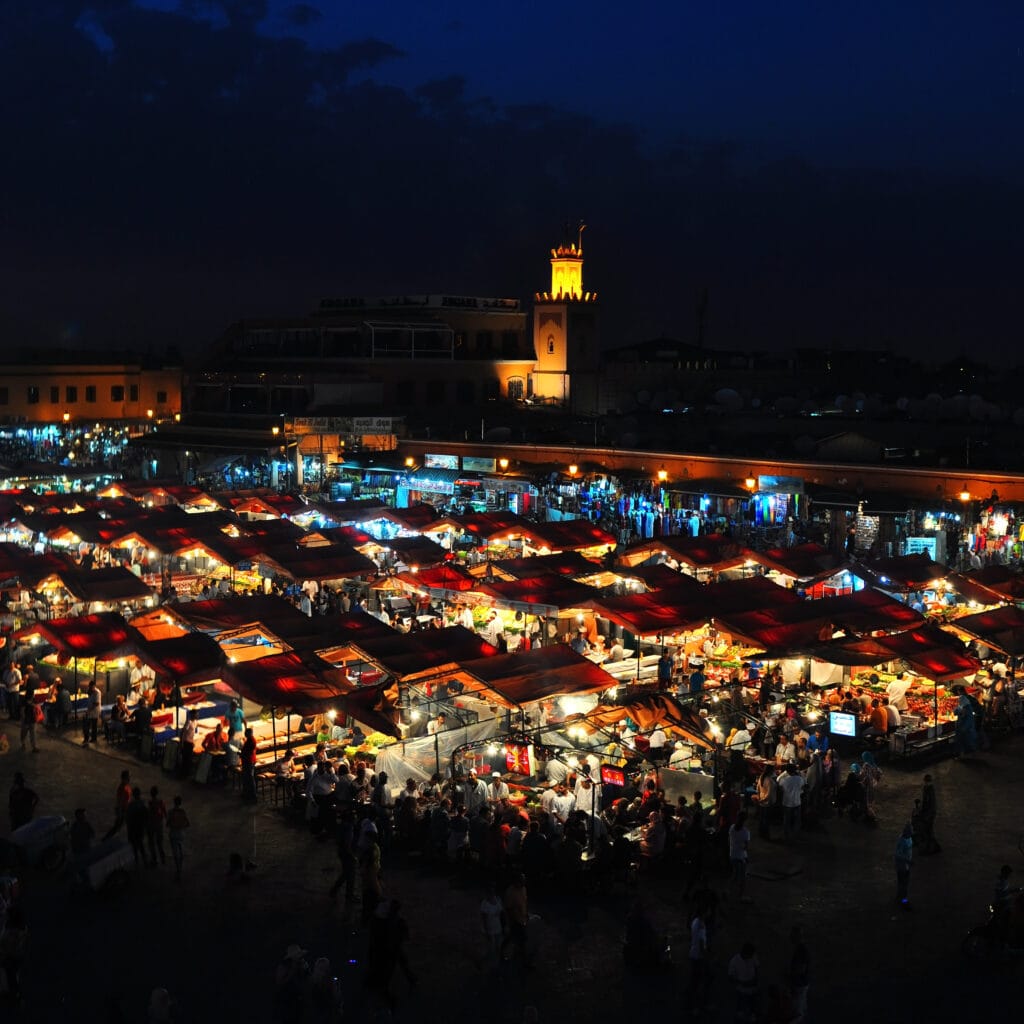
Jemaa el-Fna during the day is interesting. Jemaa el-Fna after sunset is extraordinary. The transformation happens quickly: as darkness falls, the food stalls that were dormant all day ignite simultaneously, sending columns of fragrant smoke skyward. The snake charmers and henna artists of the afternoon give way to a stranger, more theatrical crowd — Gnawa musicians enter trance-like rhythms, Amazigh storytellers gather circles of transfixed listeners, acrobats find more generous nocturnal audiences.
The square peaks around 9:00–10:00 PM and stays alive until midnight and beyond. Walk through it multiple times in a single evening and you’ll find different performers, different energy, different corners of the chaos each time. No ticket. No entry fee. No tour guide required. Just walk in.
The night food stalls of Jemaa el-Fna are iconic and genuinely worth eating at, despite the aggressive touts who invite you to sit with theatrical enthusiasm. The key is knowing what to order: fresh snail soup (5–10 MAD a bowl), grilled merguez sausages (20–30 MAD), harira soup (10–15 MAD), sheep’s head (adventurous), fresh orange juice squeezed to order (4–6 MAD), and grilled kefta skewers with bread (30–50 MAD). Avoid the overpriced tourist menus displayed on boards at the front — walk through the stalls first, see what’s actually being cooked, then choose your seat based on what looks freshest and busiest.
| Price tip: The best strategy for Jemaa el-Fna food stalls is to ignore tout pressure entirely, sit wherever you want, and ask the price of each item before ordering. A full meal of snails, harira, kefta and fresh juice should cost 60–100 MAD (6–9 €). If the bill arrives significantly higher, question every line item calmly. |
Many travelers explore the Marrakech souks in the afternoon and leave overwhelmed. The same souks after 7:00 PM offer a different atmosphere: the crushing afternoon heat is gone, lantern light replaces harsh sun, the vendor-to-tourist ratio shifts (fewer tourists, more serious local shopping), and the labyrinthine alleys feel genuinely atmospheric rather than claustrophobic.
The dyers’ souk, the spice market, the leather goods quarter and the lamp makers’ alley all stay open until 9:00–10:00 PM and sometimes later. The jewelry souk near the Ben Youssef Mosque lights up particularly beautifully after dark. Bring cash, leave your watch-checking instincts behind, and let the evening souk take you wherever it wants to.
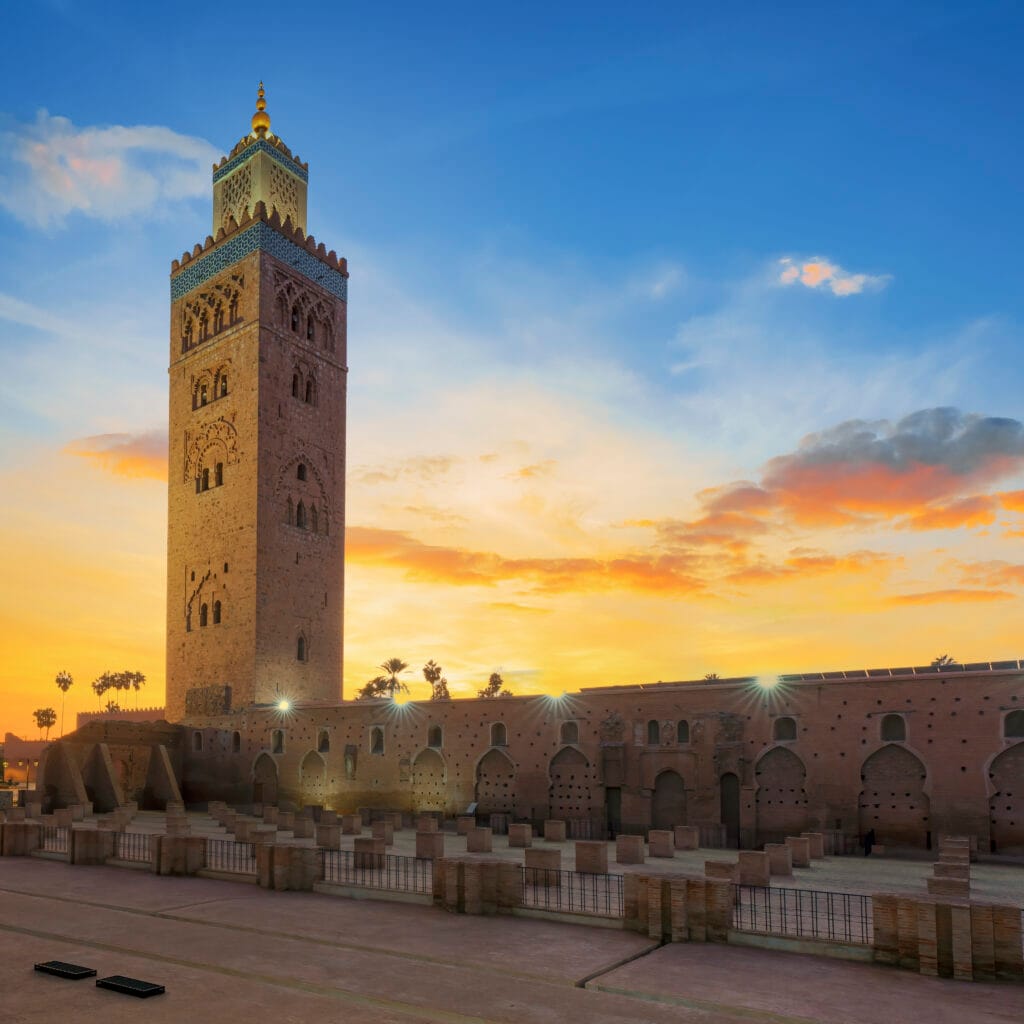
Marrakech’s rooftop restaurants and terraces offer one of the most atmospheric dining experiences in North Africa. Sitting above the labyrinthine medina, with the Koutoubia minaret lit against the night sky, the sound of the muezzin floating across the rooftops and the smell of cumin and charcoal drifting up from the streets below — this is the Marrakech dinner that every traveler should experience at least once.
The best rooftop dining options range from simple terrace restaurants above the souks (150–250 MAD per person) to elegant establishments with full menus, live musicians and extraordinary views (400–800 MAD per person). Reservations are recommended for the more popular rooftop restaurants, especially on weekends.
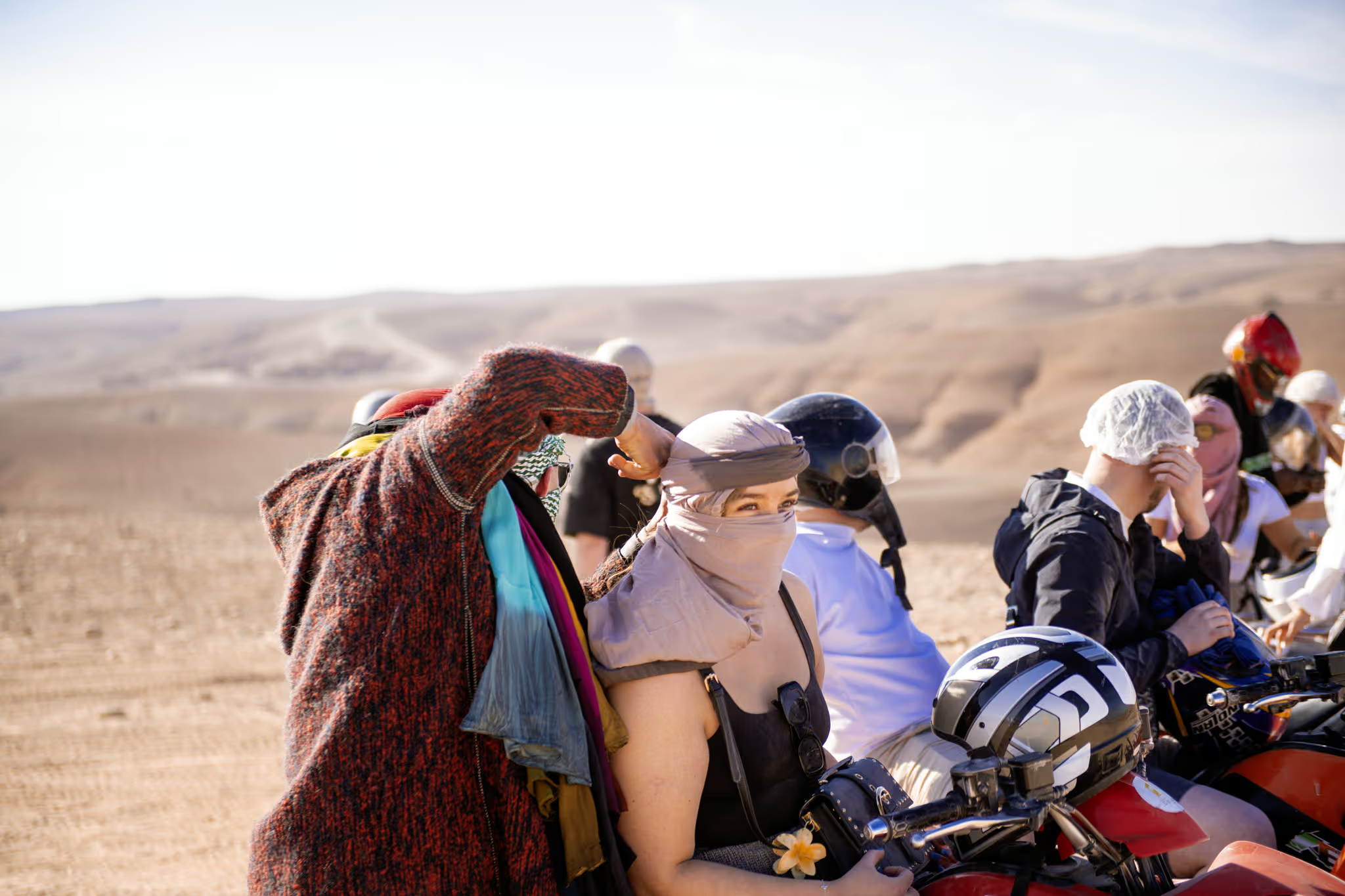
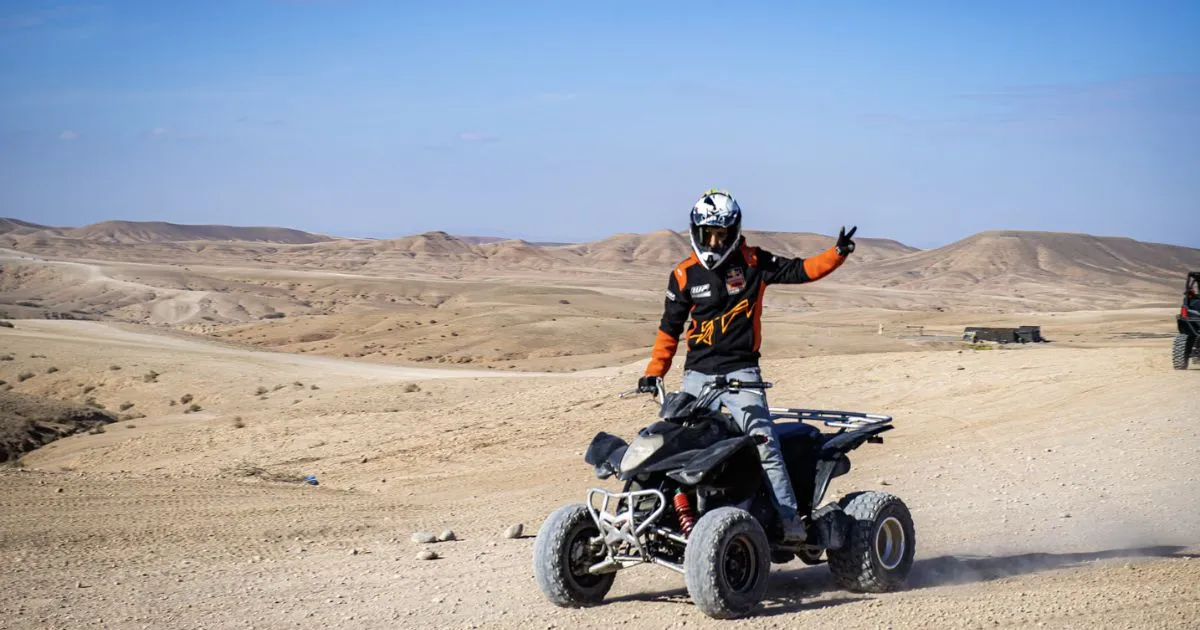
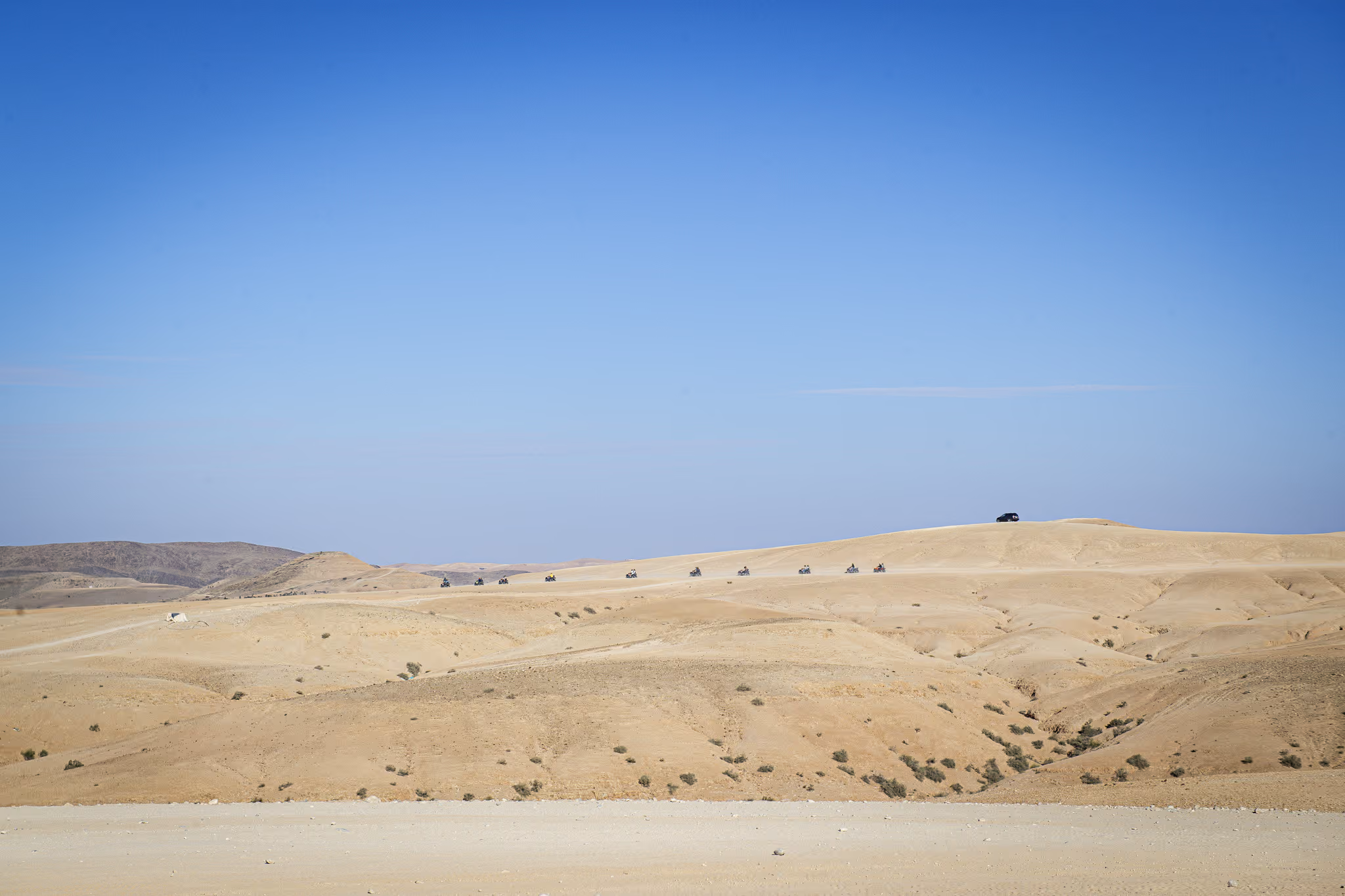
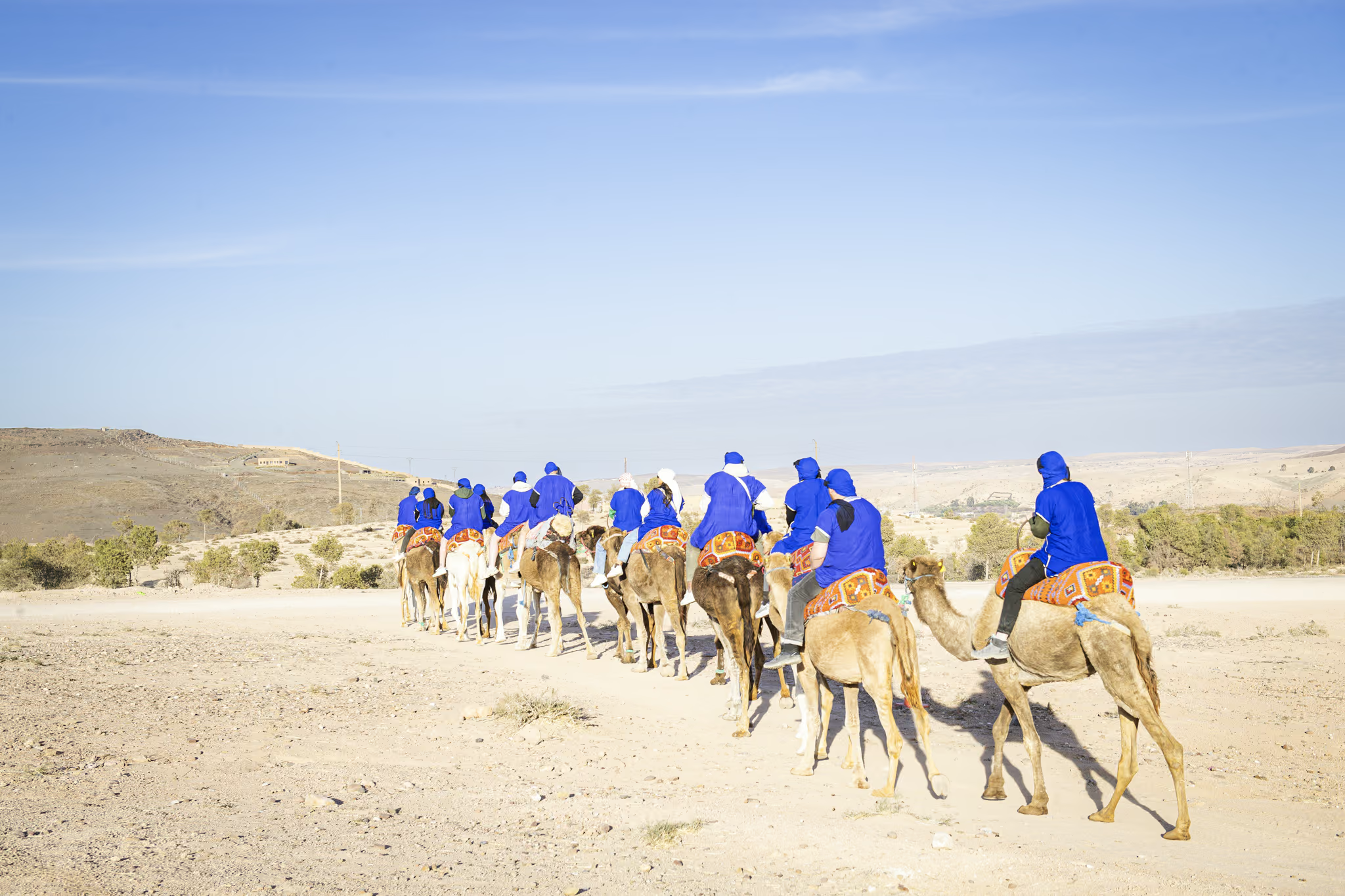
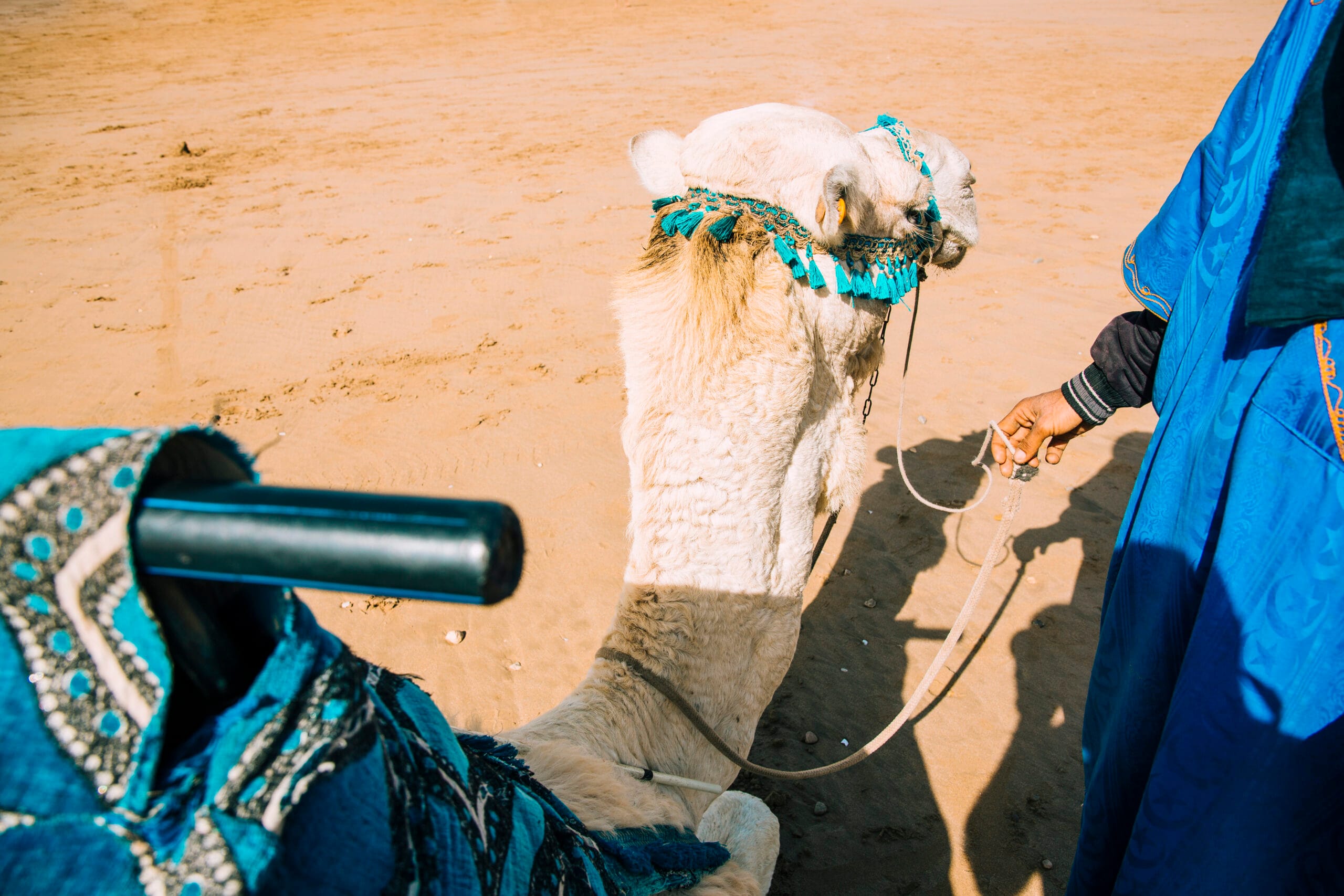
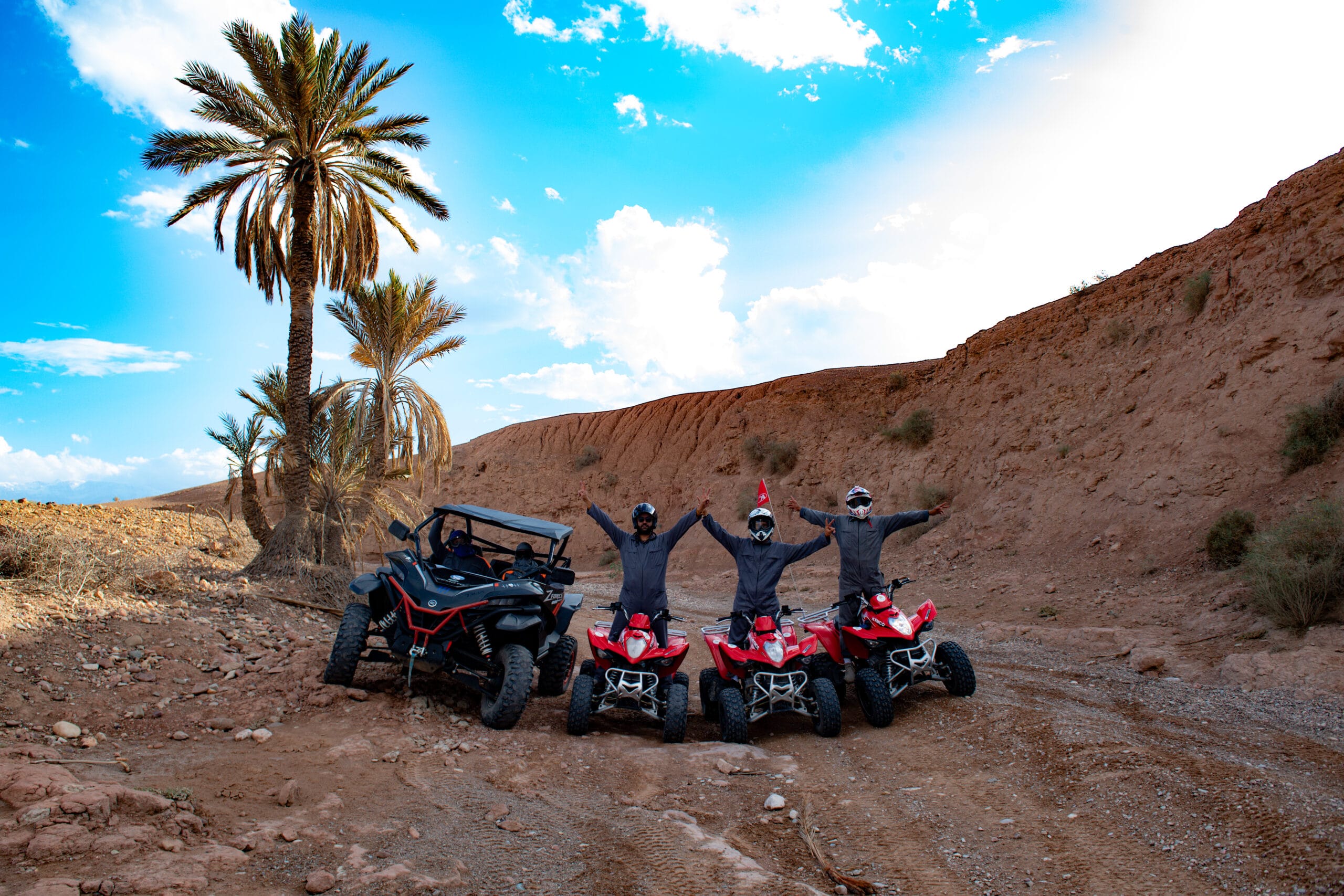
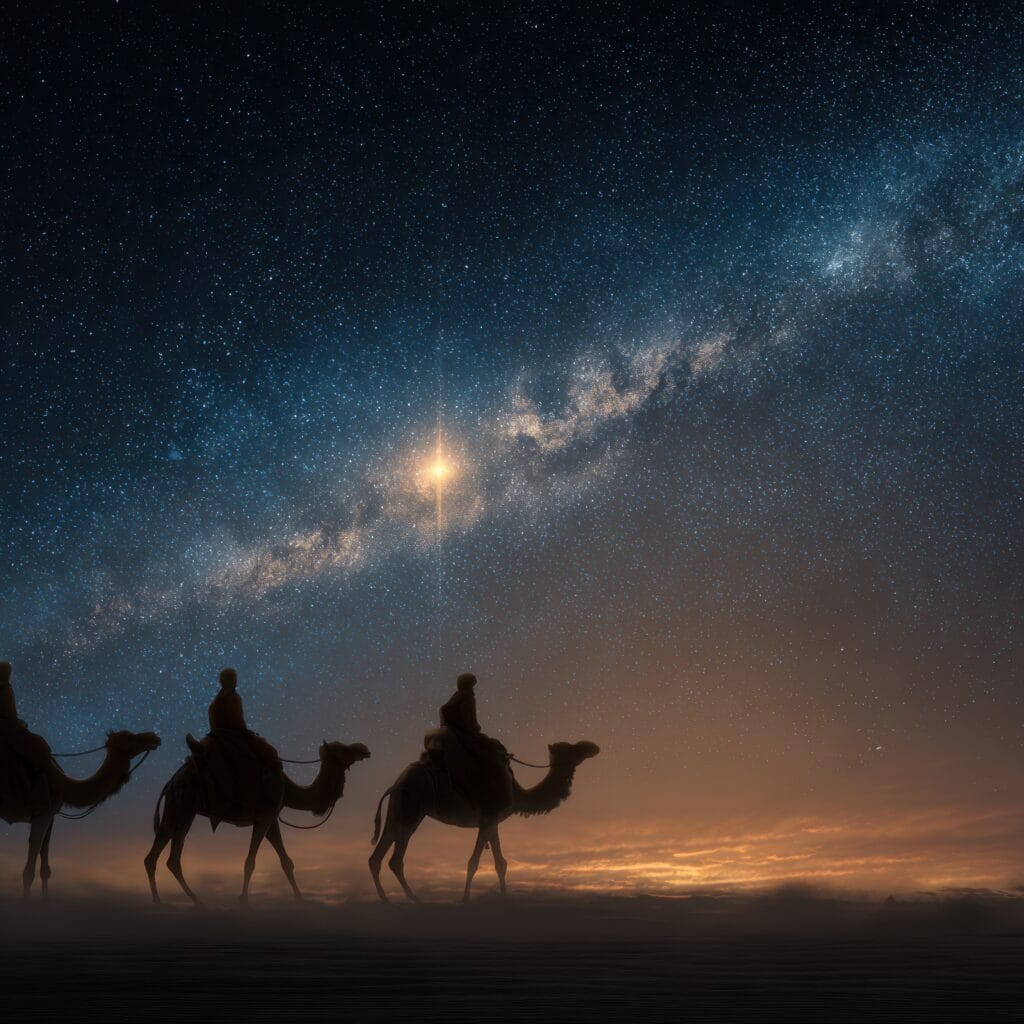
Of all the things to do in Marrakech at night, heading 30 km out of the city to the Agafay Desert for a sunset, camel ride and starlit Berber dinner is arguably the most memorable. The contrast between the frantic energy of the medina and the absolute silence of the desert plateau — with the Atlas Mountains turning purple behind you and the Milky Way emerging overhead — creates an experience that no restaurant, bar or show within the city can replicate.
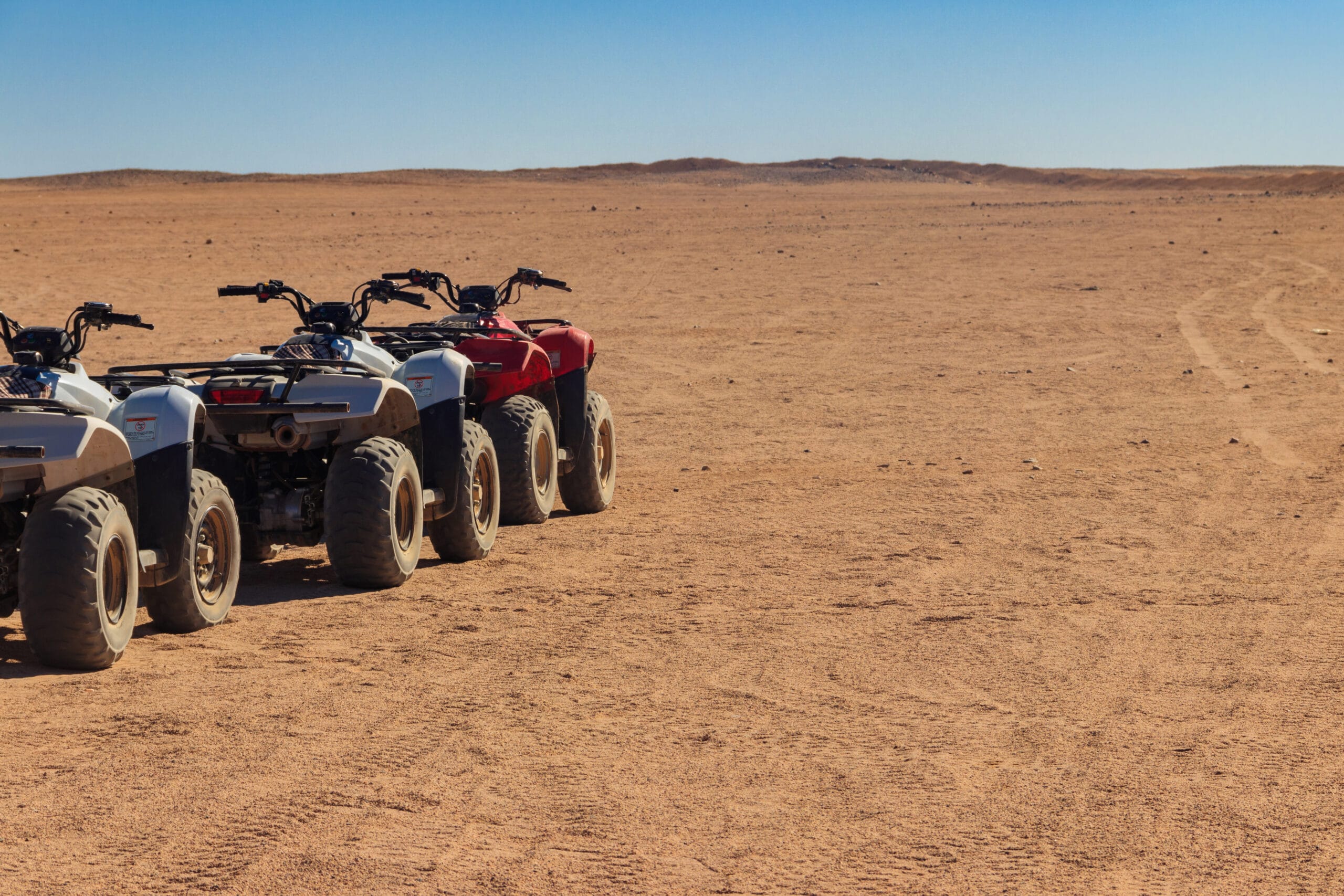
A typical Agafay evening package includes hotel pickup around 4:30–5:00 PM, a sunset camel ride or quad biking circuit, a traditional Moroccan dinner in a Berber tent with live music, and return to Marrakech by 10:30–11:00 PM. You’re back in the medina in time for a nightcap — but you carry the desert with you.
A traditional Moroccan hammam is one of the most genuinely restorative experiences Marrakech offers — and doing it in the evening, after a full day in the medina, makes physiological sense. The heat, the scrubbing (kessa), the black soap (beldi) and the cooling rinse sequences release the accumulated tension of a day of sensory overload. You emerge clean, loose-limbed and genuinely calm in a way that no massage in a hotel spa can quite replicate.
Two types of hammam are available in Marrakech:
| Practical note: Most traditional hammams have separate men’s and women’s sections or separate men’s and women’s hours. Check the schedule before you go. Tourist hammams typically have mixed or private options. The key ritual items — kessa glove (exfoliating mitt), beldi black soap, ghassoul clay — are sold at any souk pharmacy for 30–60 MAD total if you want to bring your own. |
Gnawa music is a form of spiritual music originating with sub-Saharan African communities brought to Morocco centuries ago. It combines low, hypnotic bass vocals with guembri (three-stringed bass lute), qraqeb (iron castanets) and call-and-response chanting that can build over hours into a genuine trance state. It is not background music. It is not ambient. When you encounter a full gnawa ceremony, you stop walking and you don’t leave until it ends.
In Marrakech, gnawa music is available in several contexts:
Some of Marrakech’s finest dining happens inside restored traditional riads — 18th and 19th century courtyard houses with tiled fountains, carved plasterwork ceilings, lantern-lit galleries and the kind of quiet beauty that makes every meal feel ceremonial. Several riads open their kitchens to non-residents for dinner, typically requiring advance reservation.
A traditional riad dinner typically consists of: bastilla (savory-sweet pigeon or chicken pastry with almonds and cinnamon — Morocco’s most sophisticated dish), a main tajine or couscous, Moroccan salad spread, and pastries with mint tea. With live oud music and the sound of the fountain, it’s the definitive Marrakech culinary experience.
The single most underrated thing to do in Marrakech at night is simply to walk. After 10:00 PM, the bulk of the day-trip tourists and early-to-bed visitors have retreated to their riads. The medina becomes quieter, more local, more itself. Families sit outside on plastic chairs. Old men play cards under a single light bulb. A baker slides fresh msemen flatbreads from an oven at midnight. A juice vendor sets up a folding table and a hand squeezer and serves nothing but orange juice until 2:00 AM.
Get deliberately lost in the medina between 10:00 PM and midnight. The alleys are safe, the locals are friendly, and the city you encounter at this hour is far closer to the real Marrakech than anything the organized tours show you.
The caleche (horse-drawn carriage) rides that depart from near the Koutoubia Mosque offer an unhurried circuit of Marrakech’s most beautiful avenues and gardens — the Menara Gardens, the ramparts, the palace quarter — in the cool evening air. It’s undeniably romantic and gives a perspective of the city’s layout that’s impossible on foot. Negotiate the price before boarding (a 45-minute circuit should cost 150–250 MAD per carriage, not per person) and confirm the route. Best timing: 8:00–10:00 PM.
Several Marrakech cookery schools and riads offer evening cooking classes that combine a market visit (to the night souk for spices and produce) with hands-on instruction in preparing two or three traditional Moroccan dishes, followed by eating what you’ve made. The evening format is particularly good because the night market visit is atmospheric, the pace is relaxed, and the dinner you cook becomes the meal itself.
Gueliz (Marrakech’s modern new city, 20 minutes walk or 10 minutes taxi from the medina) has a growing bar and restaurant scene that bears no resemblance to the medina’s bazaar culture. Stylish rooftop bars, wine bars, cocktail lounges and international restaurants attract a mix of expats, well-travelled Moroccans and tourists looking for a different kind of Marrakech evening. Several bars offer panoramic rooftop views back toward the medina and the illuminated Koutoubia tower.
The transition from day to night in Marrakech begins with the most spectacular 20 minutes of the day: the hour before sunset, when the Koutoubia Mosque turns golden, the Atlas Mountains blush pink and the entire medina glows amber. The best vantage points are:
| Activity | Best Time | Budget/Person | Book Ahead? |
| Jemaa el-Fna + food stalls | 8:00–11:00 PM | 60–120 MAD | No |
| Night souk walk | 7:00–10:00 PM | Variable (shopping) | No |
| Rooftop restaurant dinner | 8:00–10:30 PM | 200–700 MAD | Recommended |
| Agafay Desert evening | Depart 4:30 PM | 500–1,200 MAD | Yes (24–48h) |
| Traditional hammam | After 6:00 PM | 50–400 MAD | Tourist hammam: yes |
| Gnawa music (Jemaa el-Fna) | 9:00 PM–midnight | Donation | No |
| Riad dinner | 8:30–10:30 PM | 300–700 MAD | Yes (24–48h) |
| Night medina walk | 10:00 PM–midnight | Free | No |
| Caleche carriage ride | 8:00–10:00 PM | 150–250 MAD/carriage | No |
| Evening cooking class | 6:00–10:00 PM | 400–700 MAD | Yes (24–48h) |
| Gueliz rooftop bar | 8:00 PM–1:00 AM | 100–300 MAD drinks | No |
Marrakech at night is not a watered-down version of the daytime city — it’s a completely different and arguably richer experience. The medina’s evening energy, the desert’s silence, the hammam’s restorative ritual, the gnawa’s hypnotic rhythm and the rooftop dining scene above the labyrinth create a range of experiences that reward every traveler who doesn’t retreat to bed at 8:00 PM.
The key to a great Marrakech night is combining experiences rather than committing exclusively to one. The perfect evening might look like this:
Looking for the most spectacular evening experience near Marrakech? Explore our Agafay Desert evening packages — quad biking or camel ride at sunset, followed by a traditional Moroccan dinner under the stars with live music, all with door-to-door transfer from your Marrakech accommodation.
Yes — Marrakech is generally safe for tourists at night, including solo travelers and women. The medina’s main areas (Jemaa el-Fna, the main souk routes, the palace quarter) are well-lit and populated late into the evening. The usual precautions apply: keep valuables out of sight, use licensed taxis rather than unmarked cars, and avoid isolated, poorly-lit alleys after midnight. The Gueliz neighborhood (new city) is particularly safe and relaxed in the evening.
Jemaa el-Fna reaches its peak energy between 9:00 PM and 11:00 PM. The food stalls ignite around sunset (between 7:00 PM in winter and 8:30 PM in summer) and build to maximum activity by 9:30 PM. The square remains active until 1:00–2:00 AM, though the energy begins to thin after midnight. The optimal window for experiencing the full spectacle — maximum stalls, performers and atmosphere — is 9:00–11:00 PM.
Alcohol is available in licensed restaurants, hotels and bars in Marrakech, primarily in the Gueliz (new city) neighborhood and in upscale hotel bars within the medina. Alcohol is not generally available in traditional Moroccan restaurants, street food stalls or unlicensed establishments. The evening culture of the medina is overwhelmingly non-alcoholic and this is not a limitation — mint tea, fresh juices, Moroccan soft drinks and coffee are a culture unto themselves.
Without question, a sunset and dinner evening in the Agafay Desert is the best evening excursion from Marrakech. Located just 30 km (40–50 minutes) from the city, the Agafay offers camel rides, quad biking, Atlas Mountain views and a traditional Berber dinner under the stars with live music — all within a 5 to 6-hour window that still allows you to return to the medina before midnight. It consistently ranks as the most memorable experience of Marrakech visitors’ entire trips.