No products in the basket.

 Zakaria Belkhay
April 23, 2026
Zakaria Belkhay
April 23, 2026
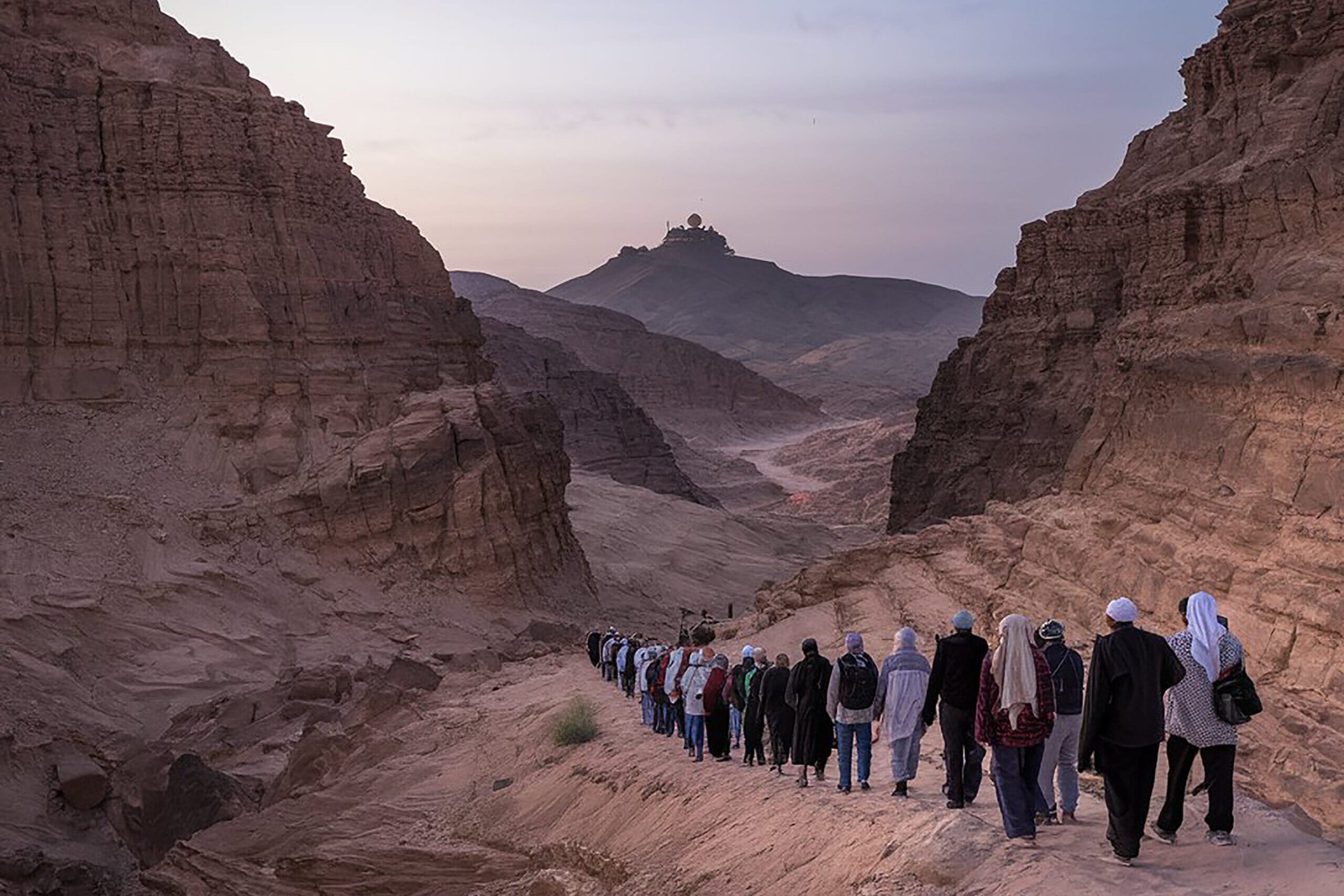
An Atlas Mountains day trip from Marrakech is the single best way to understand Morocco beyond the medina — and it’s within reach of every traveler, regardless of fitness level or budget.
The High Atlas Mountains rise dramatically just 60 kilometers from Marrakech. On a clear day, you can see their snow-capped peaks from the rooftop of your riad. Yet most visitors to Marrakech spend their entire trip in the city and leave without ever stepping into one of North Africa’s most spectacular mountain landscapes.
That’s a significant missed opportunity. An Atlas Mountains day trip from Marrakech takes you from the chaos of the medina to Berber villages, terraced walnut groves, crystal-clear rivers, mule tracks and mountain peaks above 2,000 meters — all within a morning drive. You’re back in Marrakech for dinner, but you return with photographs and memories that will define the trip.
This complete guide covers every option: the most popular destinations, how to get there, what to do at each level of activity and fitness, what to eat, what to pack, typical costs and the honest truth about what separates an exceptional Atlas day trip from a forgettable one.
| Quick Facts: The nearest Atlas Mountain villages (Imlil, Asni, Ourika Valley, Ouirgane) are 60–80 km from Marrakech. Drive time: 1 to 1.5 hours depending on destination and traffic. The High Atlas peaks exceed 4,000 m — Toubkal (4,167 m) is the highest in North Africa. Day trips are accessible year-round; snow season (December–March) adds dramatic scenery. |
Imlil is the most popular Atlas destination from Marrakech and the gateway village to Toubkal National Park. Perched at 1,740 meters altitude, it offers spectacular views of the Toubkal massif, a traditional Berber village atmosphere, excellent guesthouses, guided trekking options and the starting point for the 2-day Toubkal summit attempt. For a day trip, Imlil is ideal for a 3–4 hour moderate hike to a neighboring village (Aroumd, Armed) with Atlas panoramas.
The Ourika Valley is the most accessible and family-friendly Atlas destination from Marrakech. The valley follows the Ourika River through Berber villages, terraced fields, herb gardens and argan cooperatives before reaching the 7 Cascades of Setti Fatma — a series of waterfalls requiring a 45-minute moderate hike. It’s greener, more populated and more tourist-developed than Imlil, but the landscapes are genuinely lovely and the drive itself is half the experience.
Ouirgane sits in a wide valley at 1,000 meters altitude, surrounded by oak and argan forests, with a reservoir lake and excellent hiking to smaller Berber villages. It’s significantly less crowded than Imlil and Ourika, yet equally beautiful. Several excellent guesthouses and restaurants make it ideal for a slow, exploratory day. The valley also has an interesting rose cultivation area — Morocco’s famous rose harvest happens in the Dadès Valley, but the Ouirgane area produces local rose water too.
Strictly speaking, Aït Benhaddou sits at the edge of the Atlas range on the Sahara side, 190 km from Marrakech (2.5 hours). It’s outside the typical “day trip” radius but included here because many travelers combine it with a Draa Valley circuit. The UNESCO-listed ksar (fortified village) has appeared in Game of Thrones, Gladiator and Lawrence of Arabia. It’s extraordinary — but the drive time makes it better suited to a 2-day circuit.
Mount Toubkal at 4,167 meters is the highest peak in North Africa and a significant mountaineering objective. A true summit attempt requires 2 days minimum (overnight at the Toubkal Refuge at 3,207 m). However, the approach trek from Imlil to the refuge and back can be done in a very long single day (8–10 hours hiking) for highly fit trekkers. Most visitors attempting Toubkal spend at least one night in the mountains.
| Destination | Distance | Drive Time | Difficulty | Best For |
| Imlil | 60 km | 1h15 | Moderate | Trekking, views, culture |
| Ourika Valley | 65 km | 1h10 | Easy–Moderate | Families, waterfalls |
| Ouirgane | 60 km | 1h00 | Easy–Moderate | Couples, hidden trails |
| Setti Fatma | 65 km | 1h15 | Moderate | Waterfall hike |
| Toubkal Summit | 60 km + 2 day trek | 1h15 + 2 days | Very Strenuous | Serious trekkers |
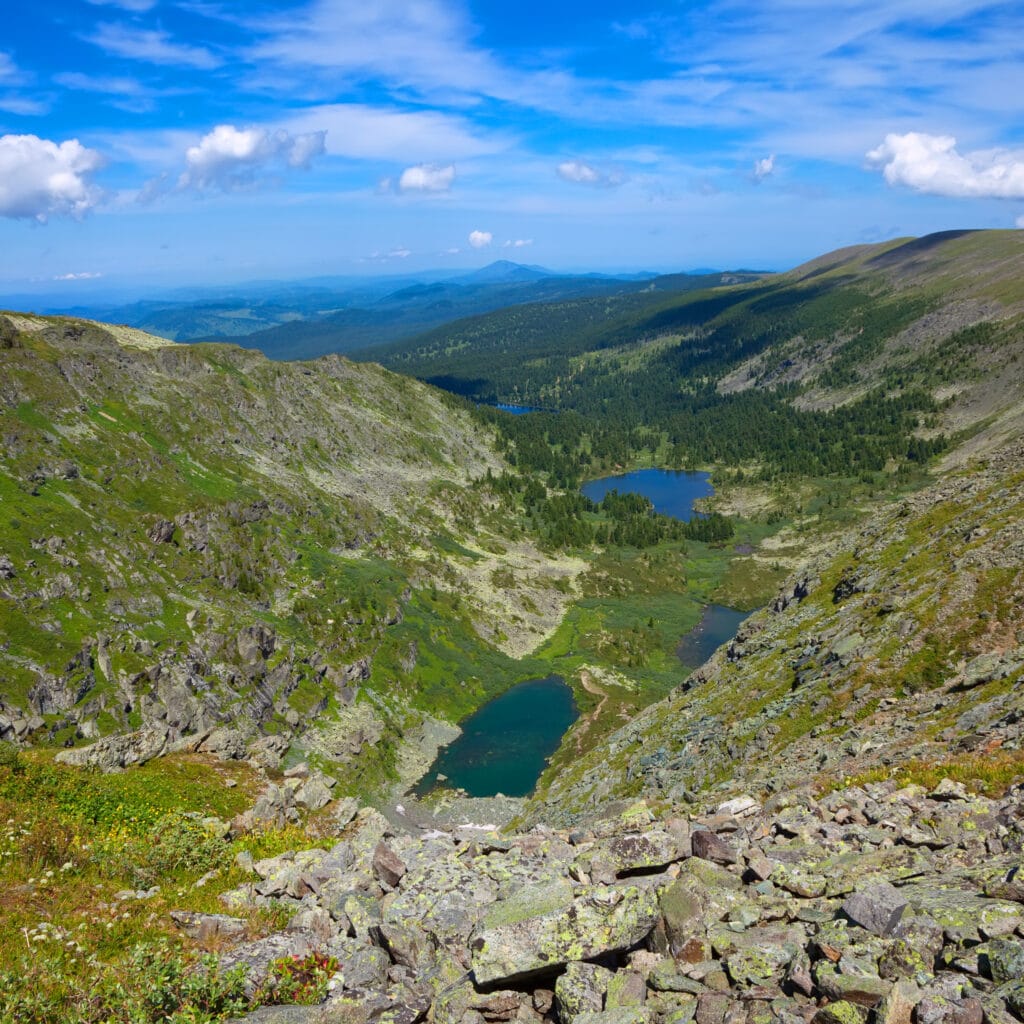
The vast majority of Marrakech visitors reach the Atlas Mountains through an organized day tour. A guide picks you up from your accommodation, drives to the destination, leads the hike or village walk, organizes lunch at a local family home or Berber restaurant, and returns you to the city by early evening. This option removes all navigation, language barrier and logistics challenges.
A private driver plus certified mountain guide gives you complete flexibility over timing, pace and itinerary. You can linger at viewpoints, detour to a less-visited village, or request a longer or shorter hiking route. This is the recommended option for photographers, travelers with specific interests or those who want a personalized, unhurried experience.
Driving to Imlil or Ourika Valley independently is entirely feasible in a standard rental car. Roads are paved to the main villages. Parking is available at trailheads. However, navigation becomes more complex on mountain tracks beyond the main villages, and local knowledge about trail conditions (snow, seasonal closures, water levels in the Ourika after rain) is genuinely valuable. If you rent a car, bring downloaded offline maps (Maps.me or Google Maps offline) as mobile signal disappears on mountain tracks.
Shared grand taxis (older Mercedes sedans) run from the Bab Rob taxi stand in Marrakech to Asni (for Imlil) and to Ourika Valley for approximately 40–70 MAD per person one way. From Asni, a second shared taxi or mule takes you to Imlil. This is the most budget-friendly option but requires more time, flexibility and confidence with independent travel in Morocco.
Hiking is the primary activity in the Atlas Mountains and the most rewarding way to experience the landscape. Routes are available for every fitness level:
Many Atlas day tours include a visit to a local Berber family’s home for tea, bread baking or a full traditional lunch. This is genuinely one of the most moving experiences available from Marrakech — sitting in a mud-brick home with a Berber family, watching bread bake on a wood fire, sharing tagine cooked over charcoal, with the Atlas peaks visible through a small window. Ensure your tour operator pays the family fairly and that the visit is arranged respectfully, not as a cattle-through tourist exercise.
Mules are the primary means of transport in the High Atlas. Every village in the mountains relies on mule trains to move goods, construction materials and harvests along tracks too narrow and steep for any vehicle. Hiring a mule (and its guide) for a portion of your Atlas day trip is both a practical transport option and a genuinely authentic experience. Mule hire costs approximately 150–250 MAD per mule per day, not including the guide gratuity.
The 7 Cascades of Setti Fatma are the most photographed hiking destination in the Ourika Valley. From the village of Setti Fatma, a 45-minute walk along and across the river leads to the first and most accessible cascade. Reaching the upper falls requires more scrambling and is rewarded with fewer crowds and better views. In spring (March–May), snowmelt swells the river and the waterfalls are at their most dramatic.
Several limestone cliffs near Marrakech (particularly around Taghia and in the Ourika Valley) have established climbing routes ranging from beginner to advanced. A specialist operator can organize a full-day guided rock climbing or via ferrata session combining the mountain drive with technical climbing instruction. This niche but growing activity appeals particularly to active travelers seeking something beyond the standard hiking route.
A traditional Berber breakfast in the Atlas Mountains is a small ceremony: fresh khobz (round bread) baked that morning, argan oil for dipping, Amlou (a paste of ground almonds, argan oil and honey), fresh goat’s cheese, mountain honey, olive oil and endless glasses of sweet mint tea. At altitude, with mountain air and total silence, it’s one of the most memorable meals Morocco offers. Budget: 50–80 MAD per person.
Tagine cooked over charcoal in a clay pot at altitude, with vegetables and herbs grown in the valley below your table, is a completely different experience from medina restaurant tagine. The slow cooking (2+ hours) and the quality of the mountain water in the sauce creates a depth of flavor that’s extraordinary. A full traditional lunch at a Berber family home typically costs 80–150 MAD per person including bread, salads and tea.
On weekends and during regional festivals, Atlas villages prepare méchoui — whole lamb slow-roasted in a wood-fired clay oven for 4 to 5 hours until the meat falls from the bone. When you encounter a méchoui lunch in a mountain village, it’s one of the most celebratory Moroccan food experiences available. Ask your guide if this is possible on your visit date — some operators can pre-arrange it for groups.
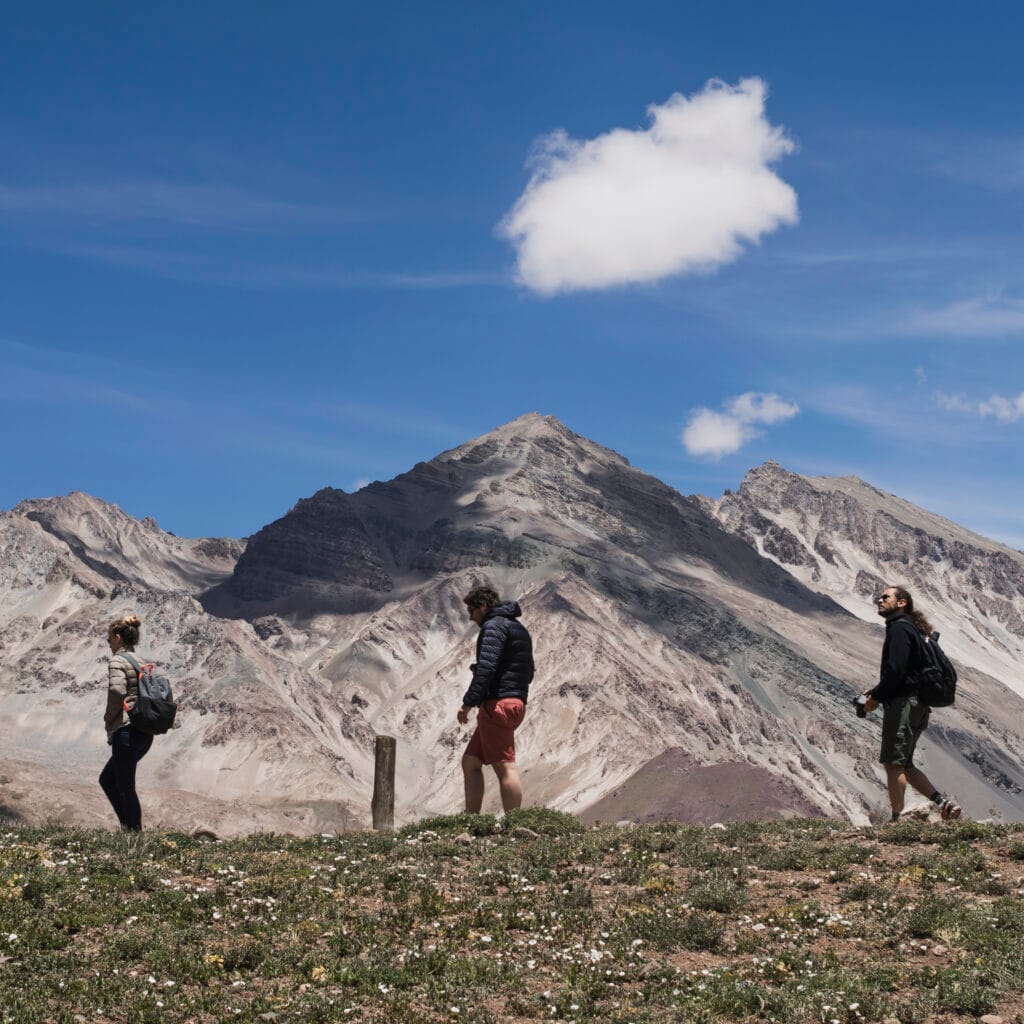
| Season | Mountain Conditions | What Makes It Special | Rating |
| Spring (Mar–May) | 15–25°C, wildflowers | Best hiking conditions, green valleys | ⭐⭐⭐⭐⭐ Best |
| Summer (Jun–Aug) | 25–35°C at altitude | Long days, snow-free summit | ⭐⭐⭐⭐ Good for Toubkal |
| Autumn (Sep–Nov) | 15–28°C, harvest season | Walnut harvest, clear skies | ⭐⭐⭐⭐⭐ Excellent |
| Winter (Dec–Feb) | 0–15°C, snow above 2000m | Snow landscape, fewer tourists | ⭐⭐⭐⭐ Beautiful with preparation |
| Best kept secret: November is arguably the finest month for an Atlas Mountains day trip from Marrakech. The summer heat has passed, the walnut trees turn gold, the air is crystalline, the skies are perfectly blue, the Atlas villages are quiet and the snow hasn’t yet made the high trails inaccessible. Combine it with an Agafay desert evening and you have the definitive Marrakech countryside day. |
Between December and March, significant snowfall above 1,800 meters transforms the Atlas into a winter landscape of extraordinary beauty. Imlil village is regularly snow-covered from January to February. However, mountain tracks become icy, some routes close and the Toubkal summit requires crampons and an ice axe. Always check conditions with your guide or operator before committing to a high-altitude route in winter. The views are extraordinary — but prepared and informed is the only way to enjoy them safely.
The single most common complaint from Atlas Mountain guides is travelers arriving in flat leather sandals, flip flops or dress shoes. On even the “easy” routes near Imlil and Setti Fatma, the paths involve uneven rocky terrain, river crossings, loose stones and moderate inclines. Inappropriate footwear doesn’t just make the experience uncomfortable — it creates genuine safety risks on wet rock. If you only pack one thing differently for your Atlas day trip, make it proper closed-toe shoes with grip.
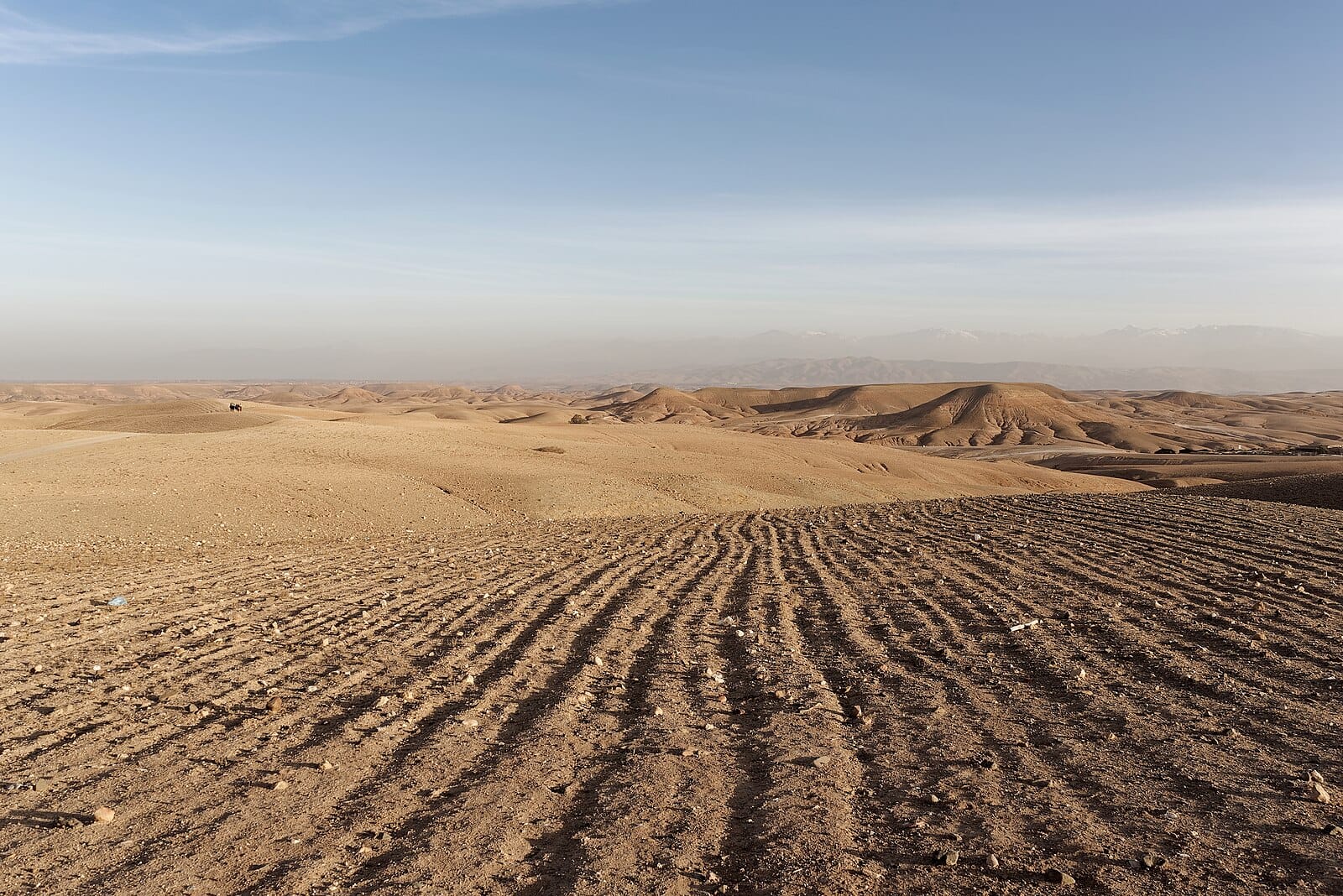
The most rewarding single day a Marrakech visitor can design is an Atlas Mountains morning combined with an Agafay Desert evening. The contrast is staggering: snow-capped peaks, terraced valleys and mountain streams in the morning; golden rocky plateau, camel silhouettes and starlit Berber camp in the evening. Both experiences are within 60–70 km of Marrakech and the logistics, with the right operator, are completely manageable.
Suggested itinerary for the ultimate Marrakech double day:
| Ask your operator about the Atlas + Agafay combo package. Several Marrakech adventure operators offer this as a single booking with seamless transfers between the two destinations. It eliminates the need to return to Marrakech city between activities and typically saves 15–25% compared to booking both separately. |
| Item | Price in MAD | Price in EUR (approx.) |
| Organized day tour (group) | 300 – 600 MAD/person | 28 – 56 € |
| Private driver + guide (full day) | 800 – 1,500 MAD | 74 – 139 € |
| Grand taxi Marrakech–Asni (one way) | 40 – 70 MAD/person | 4 – 6.50 € |
| Certified mountain guide (full day) | 400 – 600 MAD | 37 – 56 € |
| Mule hire (half day) | 150 – 250 MAD | 14 – 23 € |
| Traditional Berber lunch | 80 – 150 MAD/person | 7.50 – 14 € |
| Toubkal National Park entrance fee | 60 MAD/person | 5.50 € |
| Atlas + Agafay combo (full day + evening) | 900 – 1,600 MAD/person | 83 – 148 € |
Morocco’s Ministry of Tourism requires all hikers in Toubkal National Park above the Imlil trailhead to be accompanied by a certified mountain guide. This rule exists for good reason — the High Atlas is a serious mountain environment where weather changes rapidly and navigation is non-trivial. Certified guides wear an official laminated badge with photo, registration number and expiry date. Unofficial “guides” who approach tourists in Imlil village may be friendly but are unregulated and carry no liability insurance.
The Atlas Mountains day trip from Marrakech is not an optional extra for serious travelers — it’s the experience that makes the entire Marrakech visit feel complete. The contrast between the sensory chaos of the medina and the profound silence of a mountain village at 2,000 meters is one of travel’s great juxtapositions. And the fact that you can do both in the same day, returning to your riad for dinner, makes it almost irresistibly practical.
Key points to remember:
Ready to combine your Atlas Mountains adventure with a desert evening in the Agafay? Explore our complete day packages including mountain hiking, village visits, traditional lunch and an unforgettable Agafay Desert sunset experience — all with transfers from your Marrakech accommodation.
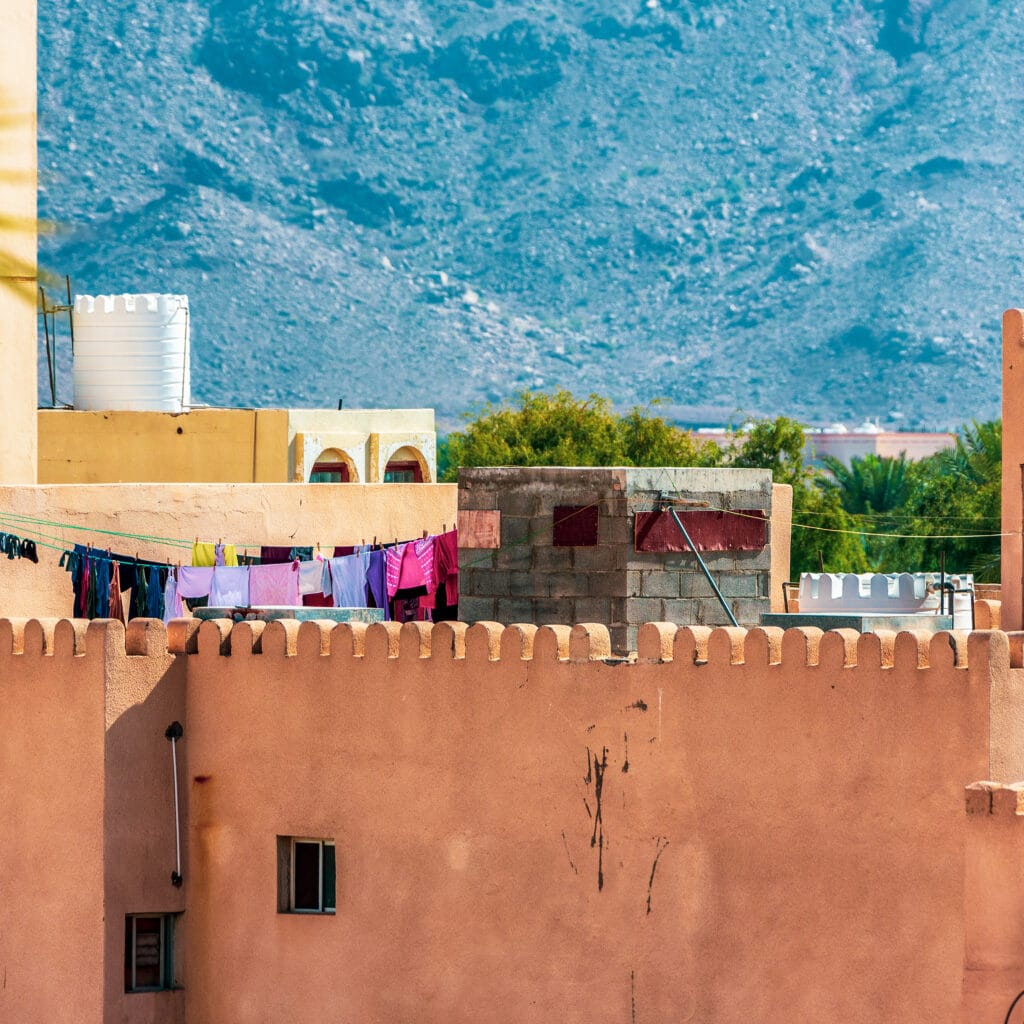
The nearest Atlas Mountain villages accessible for a day trip — Imlil, Ourika Valley and Ouirgane — are between 60 and 80 kilometers from Marrakech city center. By car or organized transfer, the journey takes 1 hour to 1 hour 30 minutes depending on the destination and traffic leaving Marrakech. The mountains are clearly visible from the city on clear days, rising dramatically to the south and southeast.
Not at all. The Atlas Mountains offer experiences for every fitness level. A gentle village walk around Imlil or a riverside stroll in the Ourika Valley requires no particular fitness. The Setti Fatma waterfalls involve a moderate 45-minute hike with some scrambling. Reaching the Toubkal summit is a serious physical challenge. Your guide or tour operator will recommend a route appropriate to your fitness level and available time.
Yes — the Atlas Mountain villages and main trekking routes near Marrakech are safe for solo travelers and women. Berber mountain communities have a strong tradition of hospitality toward guests. For trekking above the main villages, a certified guide is recommended both for safety and navigation, and is mandatory in Toubkal National Park. Dress modestly (shoulders and knees covered) when visiting villages — it’s respectful and invariably appreciated.
Absolutely — the most popular combination is an Atlas Mountains morning followed by an Agafay Desert evening. Several Marrakech operators offer this as a single package with seamless transfers between the two destinations. You experience both the highest and the wildest landscapes of the Marrakech region in a single extraordinary day, returning to your accommodation by 10:30–11:00 PM with two completely different Moroccan landscapes experienced.