No products in the basket.

 Zakaria Belkhay
July 7, 2026
Zakaria Belkhay
July 7, 2026
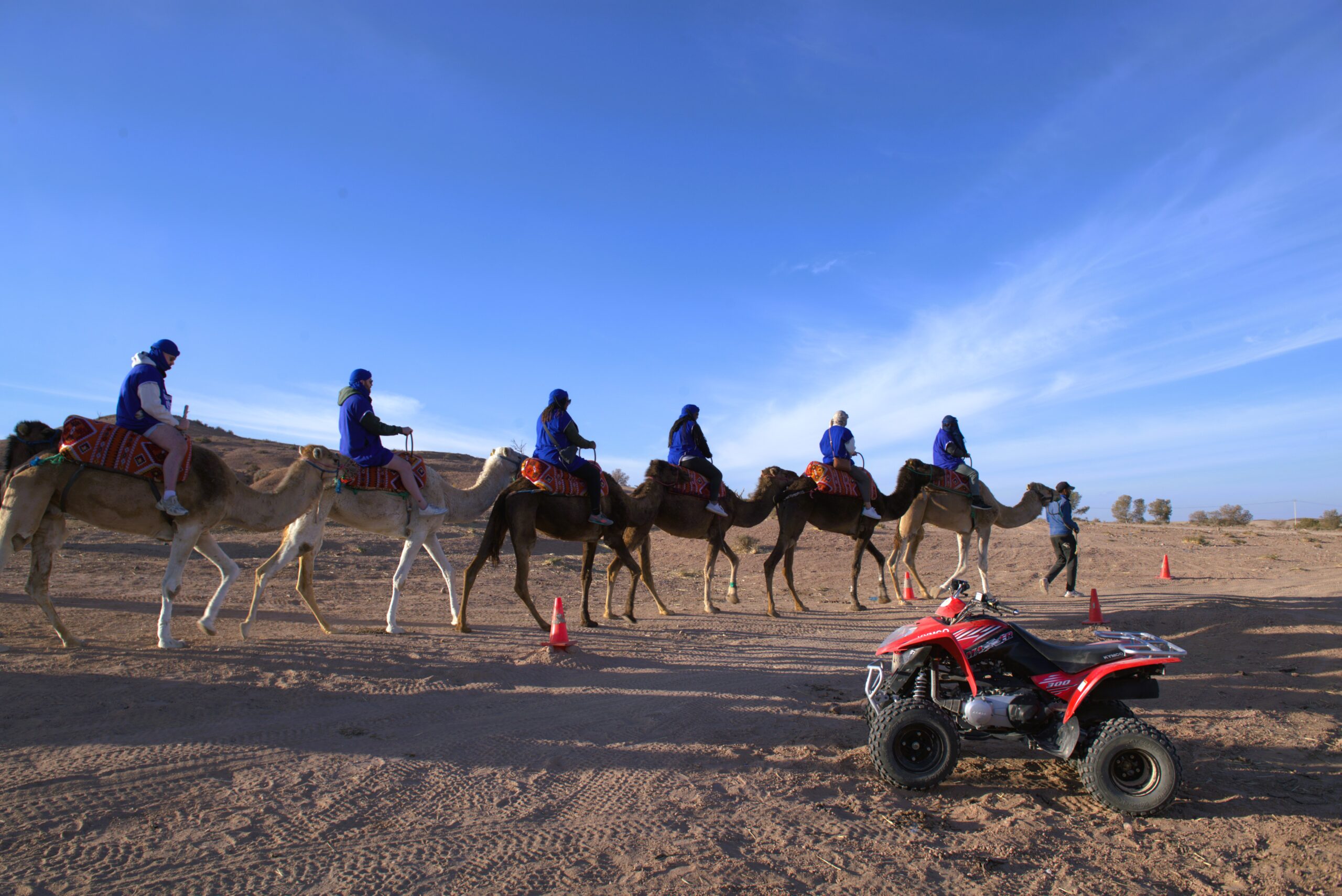
A desert day trip from Marrakech sounds straightforward — and in many ways it is. You are back in the city by evening, so there is no need for full expedition gear. But the terrain between Marrakech and the Agafay desert, or further south toward Ouarzazate, is genuinely demanding on your body and your belongings.
Daytime temperatures can exceed 38°C in summer, while spring and autumn mornings can be surprisingly cool at altitude. Add wind-driven dust, uneven rocky tracks, and activities like quad biking or buggy rides, and it becomes clear that casual beach-bag packing will leave you uncomfortable before lunch.
This packing list is built around real conditions — the kind our guides at Quad Marrakech deal with every day across 14 years of running desert excursions. We have watched guests arrive in flip-flops for a quad session and seen others overdress in heavy jackets for a summer camel trek. Below, you will find the 10 items that consistently make the difference between a trip you push through and one you actually enjoy.
The desert amplifies UV exposure in ways that are easy to underestimate. At the Agafay plateau, roughly 1,000 metres above sea level, the atmosphere is thinner and the reflective rocky surface bounces light back at you from below. Even on overcast days, you can burn within an hour of outdoor activity.
Pack a broad-spectrum sunscreen rated SPF 50 or higher, and plan to reapply it every 90 minutes — not just at the start of the day. Many travellers apply once in the morning and forget about it during activities, which is exactly when exposure is highest. A small tube of SPF 30 lip balm matters more than most people expect; cracked lips are a common complaint on desert day trips, especially when the wind picks up.
After-sun lotion or aloe vera gel is worth including in your bag if you have fair skin or are spending more than four hours outdoors. It is not something you will find easily at a roadside stop between Marrakech and the desert, so pack it from home or from your riad before departure.
One practical note: aerosol sprays are convenient but tend to clog in dusty conditions and run out faster than cream. A compact pump bottle of cream gives you better control and lasts longer across a full day trip.
Tip : Apply sunscreen 20 minutes before you leave your accommodation, not when you arrive at the activity site. By then you will likely be rushing to gear up and will skip the reapplication entirely.
Footwear is the single item most likely to ruin a desert day trip if you get it wrong. The Agafay desert is not soft sand — it is a semi-arid rocky plateau with loose gravel, compacted earth, and occasional sharp stones. Activities like quad biking, buggy rides, and camel trekking all put your feet in contact with terrain that punishes open shoes.
For quad biking specifically, closed-toe shoes are a safety requirement. The foot pegs on a quad bike can scrape or pinch open sandals, and in the event of a low-speed tip, any exposed foot or ankle is vulnerable. Most reputable operators, including our team at Quad Marrakech, will ask you to change footwear if you arrive in flip-flops — which means either sitting out or borrowing ill-fitting shoes from a shared supply.
Trainers (sneakers) are the most practical choice for a day trip. They protect your feet, give enough ankle support for walking on uneven ground, and dry quickly if you encounter any water crossings near the Atlas foothills. Lightweight hiking shoes work equally well if you plan a longer walk as part of the excursion.
Avoid brand-new shoes for a desert trip. A long walk in stiff, unworn footwear will give you blisters long before you are ready to head home. If you only have new trainers available, wear them for a couple of days around Marrakech before your trip.
Tip : Tuck your trouser legs or socks into your shoes before mounting a quad or buggy. It keeps dust and pebbles out during the ride and saves you an uncomfortable stop mid-track to shake your shoes out.
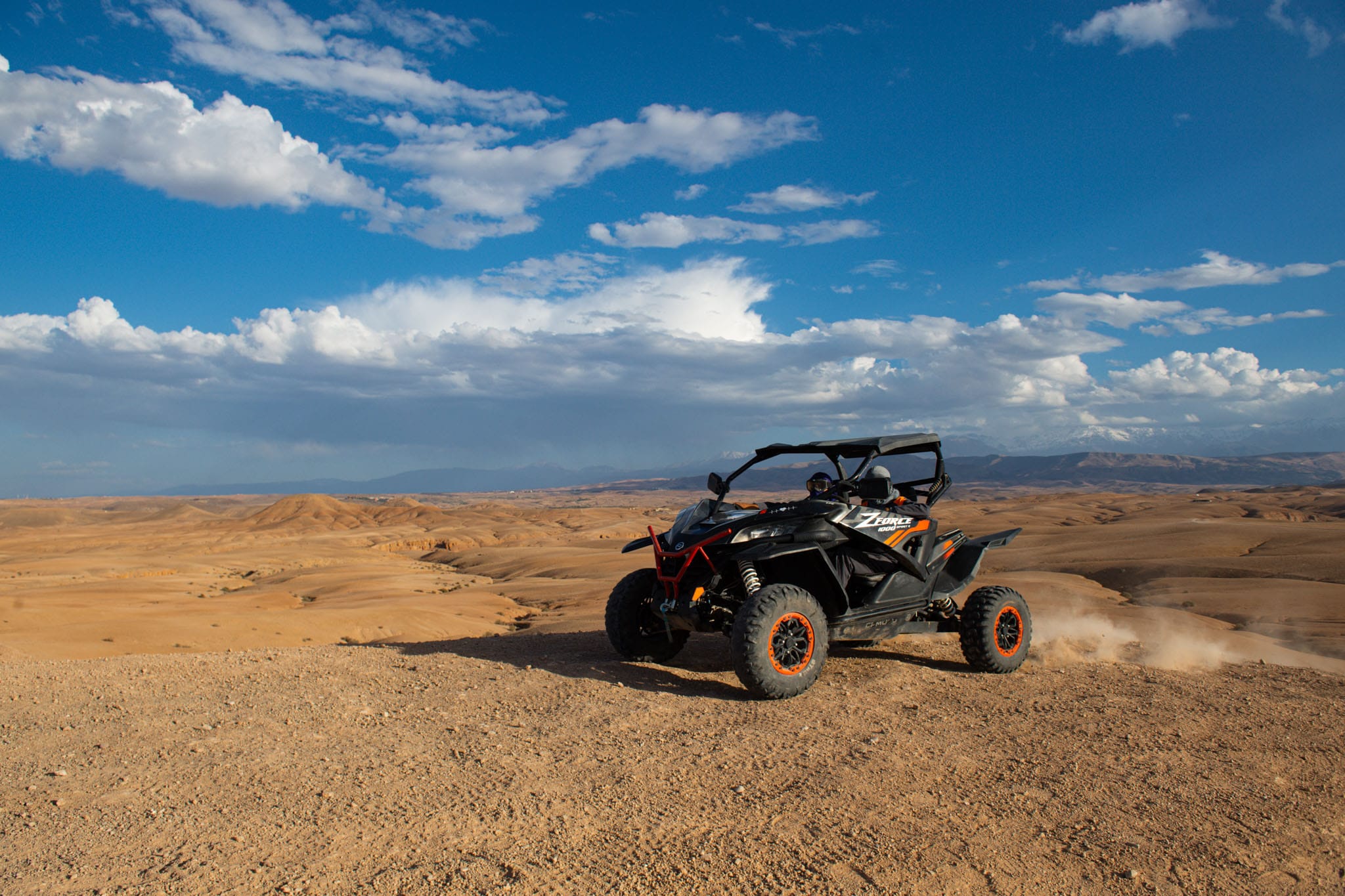
This is the item that surprises people most. A long-sleeved shirt in the desert, when it is 35°C? Yes — and for good reason. Direct sun on exposed arms during a two-hour quad ride or a camel trek is far more tiring and damaging than covered arms in the same heat. A thin, breathable long-sleeved top acts as a physical SPF barrier that does not wash off, smear, or run out.
Lightweight linen or technical fabrics designed for outdoor activity are ideal. They allow air circulation while blocking UV. A loose fit works better than a close-fitting athletic top, as it allows some airflow against the skin. Colours matter too: pale or white fabrics reflect heat, while dark colours absorb it — a meaningful difference during peak afternoon hours.
The second function of this layer is wind protection. The Agafay plateau is regularly swept by dry winds, particularly in spring. Wind in the desert is deceptive — it keeps you feeling cool, which masks how much the sun is working on you, and it carries fine dust that settles on everything including exposed skin. A long-sleeved top also reduces the amount of dust that gets into your collar and onto your neck during a high-speed buggy ride.
If you run warm, a lightweight zip-up in a moisture-wicking fabric gives you the option to ventilate during breaks and cover up when you are back in the activity. Pack it in your daypack rather than leaving it in the vehicle — desert conditions change quickly enough that you will want it on hand.
Tip : A linen or cotton shirt is cooler than most synthetic fabrics in dry desert heat. Save your technical running top for cooler months; in summer, natural fibres breathe better in still, hot air.
Head and neck protection is non-negotiable on a desert day trip, and the approach depends on the activities you have planned. For static moments — a picnic lunch, a camel walk at walking pace, watching a sunset — a wide-brimmed hat provides solid shade for your face, neck, and ears.
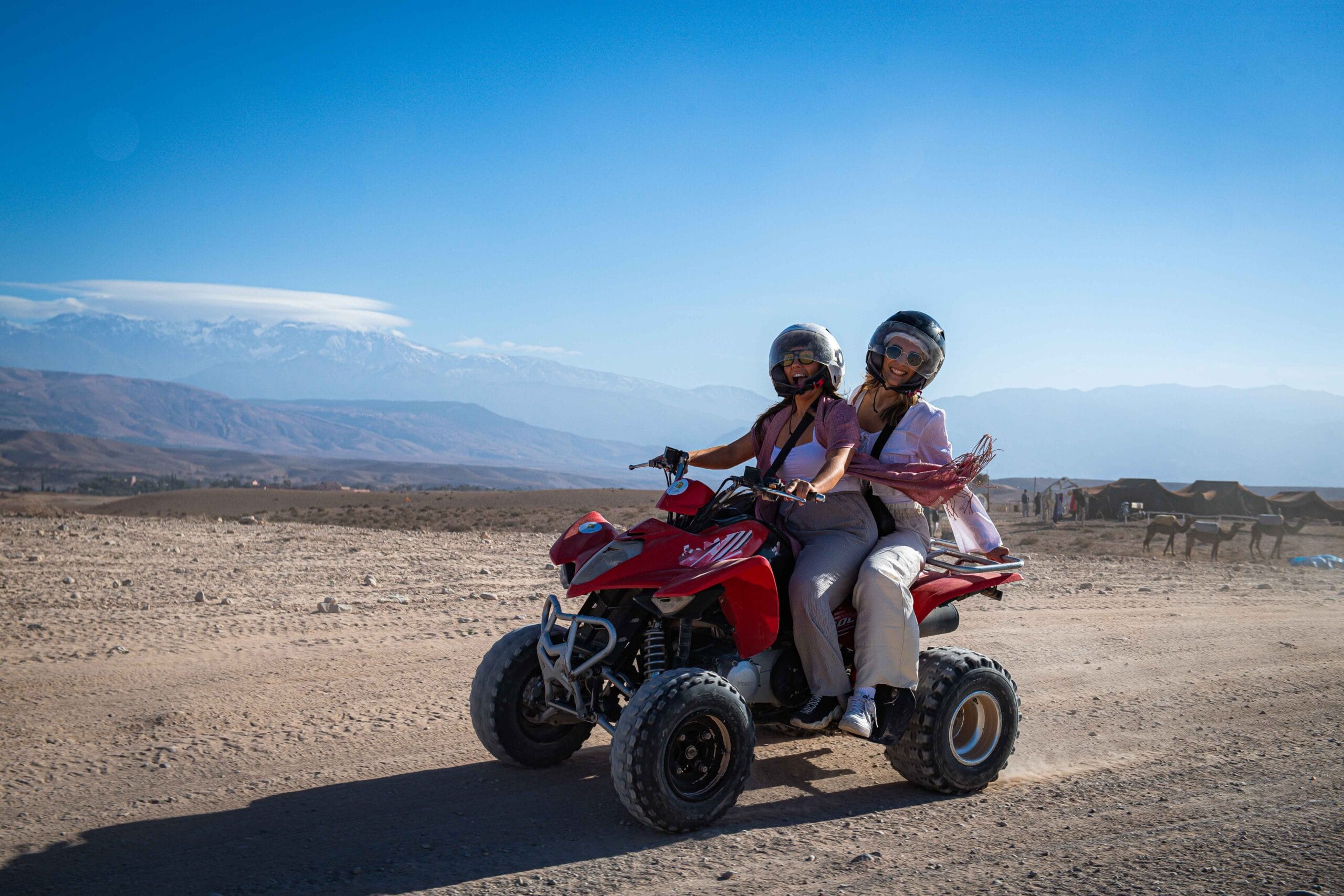
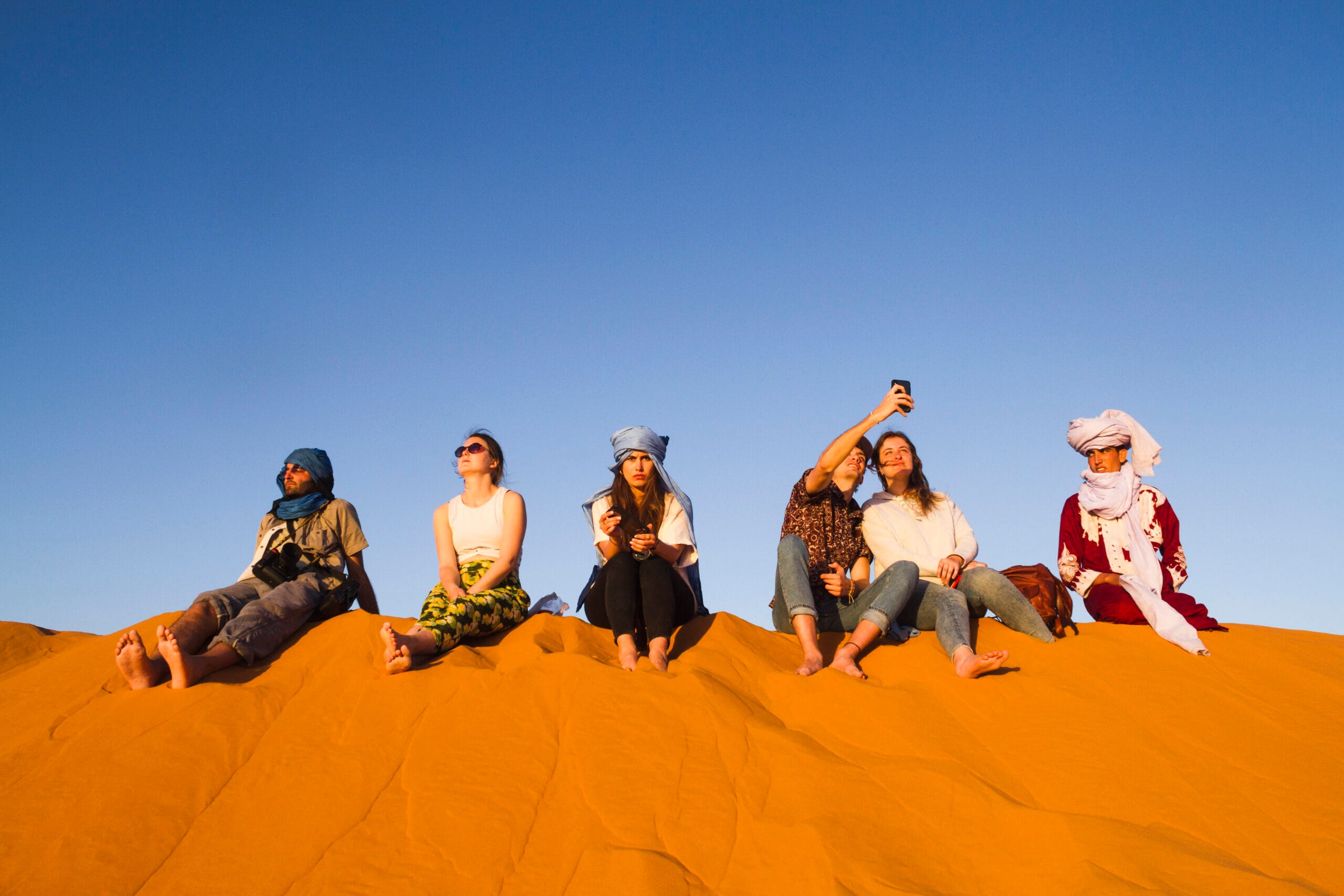
For high-speed activities like quad biking or buggy rides, a hat will fly off immediately unless it has a secure chin strap. In that context, a lightweight cotton or muslin scarf (the kind sold widely in Marrakech’s souks for a few dirhams) is far more practical. Wrapped loosely around your head and neck, it shields you from both sun and the fine dust that a moving vehicle kicks up.
Many guests on our quad and buggy excursions receive a buff or scarf as part of their gear kit, but having your own means you are not relying on a shared piece of equipment and can adjust the fit exactly as you like. A scarf also doubles as a sling for a cold bottle, a makeshift bag handle, or a layer over your face during a dust wind.
Avoid baseball caps on activity days — they leave the back of your neck exposed and do not stay on during a ride. If a cap is all you have, wear it backwards on the buggy and pair it with sunscreen on your neck and ears.
Tip : A loose muslin scarf in a natural colour costs around 30 to 50 MAD in Marrakech’s medina. Buy one before your trip — it weighs almost nothing and gives you more flexibility than a hat across different activities.
Hydration in the desert is a subject that deserves more specificity than the standard advice to ‘drink plenty of water.’ On an active desert day trip from Marrakech — particularly one involving quad biking, walking on rocky terrain, or a camel trek under afternoon sun — a healthy adult can lose between one and two litres of fluid per hour. That rate goes up with heat and exertion.
The practical recommendation: carry at least 1.5 litres of water per person for a half-day trip, and 2.5 to 3 litres for a full day. A 500ml bottle from the hotel is not enough. Reputable operators will typically provide water at rest stops, but you should not rely on this as your only source, especially during the activity itself.
A reusable insulated bottle keeps water cooler for longer, which makes you more likely to actually drink it. Warm water in a plastic bottle is technically hydrating, but it is far less appealing when you are overheated. A one-litre insulated flask is a worthwhile investment if you do not already own one.
Avoid relying on sugary drinks or caffeinated beverages as your primary hydration. They process differently in the heat and can accelerate dehydration. Electrolyte tablets or sachets are a smart addition to your bag — just one dissolved in water after a long activity session can help you recover faster than plain water alone.
Tip : Drink before you feel thirsty. Thirst is a late signal of dehydration, particularly in dry desert air where sweat evaporates instantly and you lose fluid faster than you notice it.
Eye protection on a desert day trip serves two distinct purposes: UV protection from the sun and physical protection from dust and debris. Standard fashion sunglasses handle the first well enough but often fail at the second, particularly during a quad or buggy ride where airborne grit moves at speed.
For activities involving a moving vehicle, wraparound-style sunglasses or proper protective goggles are strongly preferable. Most quad biking and buggy operators provide goggles as part of the safety kit — at Quad Marrakech, they are included with every ride. But having your own pair, properly fitted to your face, is more comfortable for a long day and gives you continuous eye protection during walking sections, lunch breaks, and transfers where goggles feel like overkill.
Polarised lenses make a meaningful difference in the desert. The rocky terrain reflects a lot of ambient light, and without polarisation, glare can be fatiguing over several hours. They also improve contrast on uneven ground, which is useful if you are doing any walking off-track.
Prescription glasses wearers should consider clip-on UV filters or purpose-built prescription sunglasses. Wearing contact lenses with goggles over the top works for short activities but can become uncomfortable after two or more hours in dusty, dry air. If contacts are your only option, pack lubricating eye drops and consider switching to glasses for the drive back.
Tip : Soft wraparound sports sunglasses with UV400 protection cost less than 30 euros from most outdoor retailers and outperform expensive fashion frames on any desert activity. They are also less stressful to lose.
What you carry your items in matters as much as the items themselves. A tote bag, open-top carrier, or loose handbag will not survive a quad ride or buggy excursion — anything inside will be coated in dust, and anything with a strap risks catching on the vehicle. A compact backpack with a zip closure keeps your belongings contained, accessible, and clean enough to rummage through without covering everything in fine desert dust.
Size is important. You are packing for a single day, not a multi-day trek, so a 15 to 20 litre daypack is plenty. Anything larger becomes cumbersome during activities, and most desert excursion vehicles have limited space for bags during the transfer from Marrakech. A pack that fits snugly on your back during a camel walk is far more comfortable than one that bounces against your lower back for an hour.
Look for a pack with at least one external mesh pocket — ideal for a water bottle that you want to access without stopping and removing the pack entirely. Hip strap support is useful for longer walking sections, though most desert day trips do not involve enough continuous walking to make it essential.
If you are travelling as a couple or small group, consolidating into one or two shared daypacks rather than individual bags keeps the group more mobile and reduces the time spent retrieving items from multiple bags at rest stops.
Tip : Line the inside of your daypack with a light dry bag or a sturdy bin liner if you are doing water activities like jet skiing as part of your day. A damp pack at the start of an afternoon ruins everything inside it.
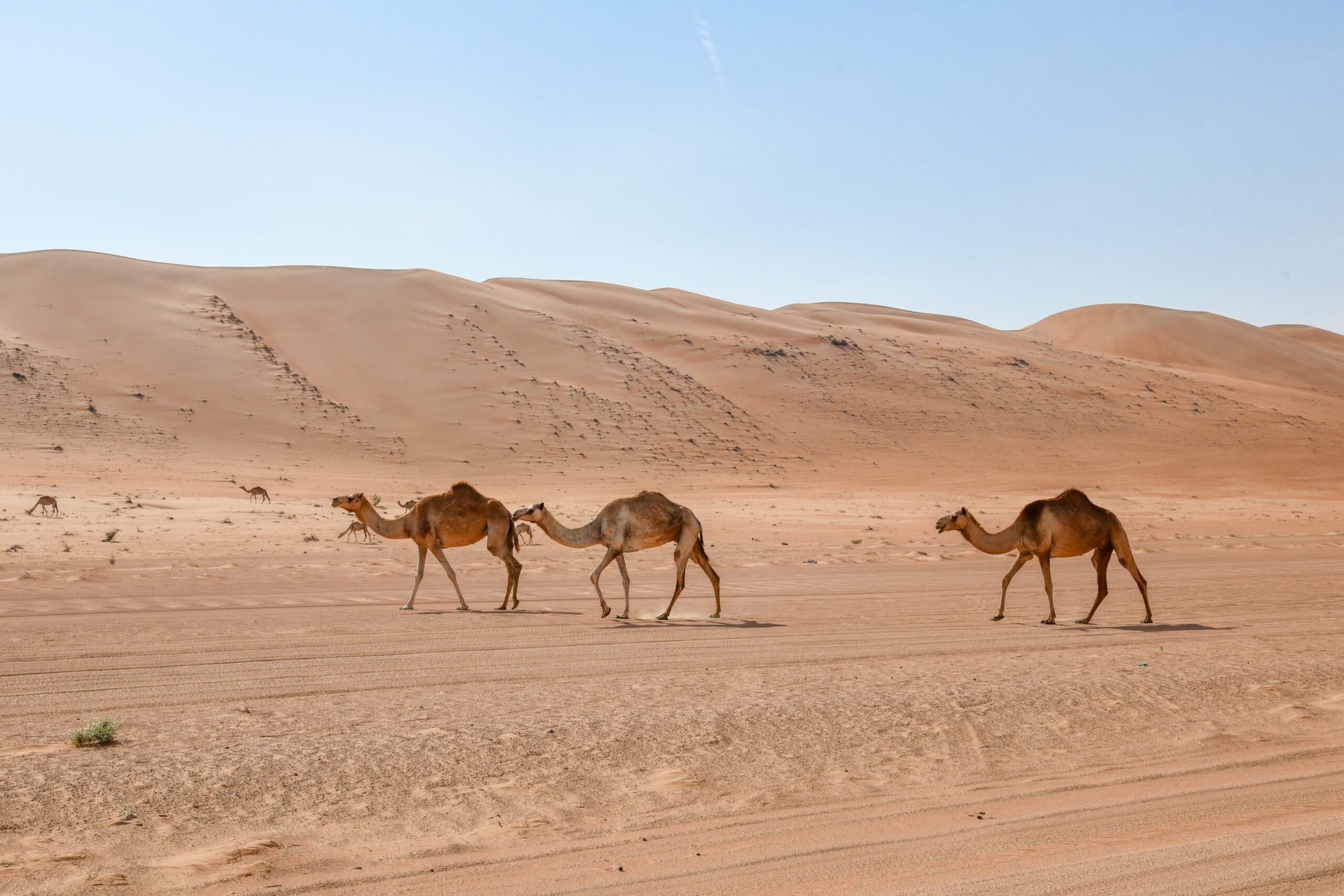
The Agafay desert sits at roughly 1,000 metres elevation, and the Atlas Mountains behind it push cool air down toward the plateau in the early morning and after sunset. In winter and early spring, this temperature shift is dramatic — it can be 28°C at midday and 12°C by 7pm. Even in summer, evenings cool quickly once the sun drops below the ridgeline.
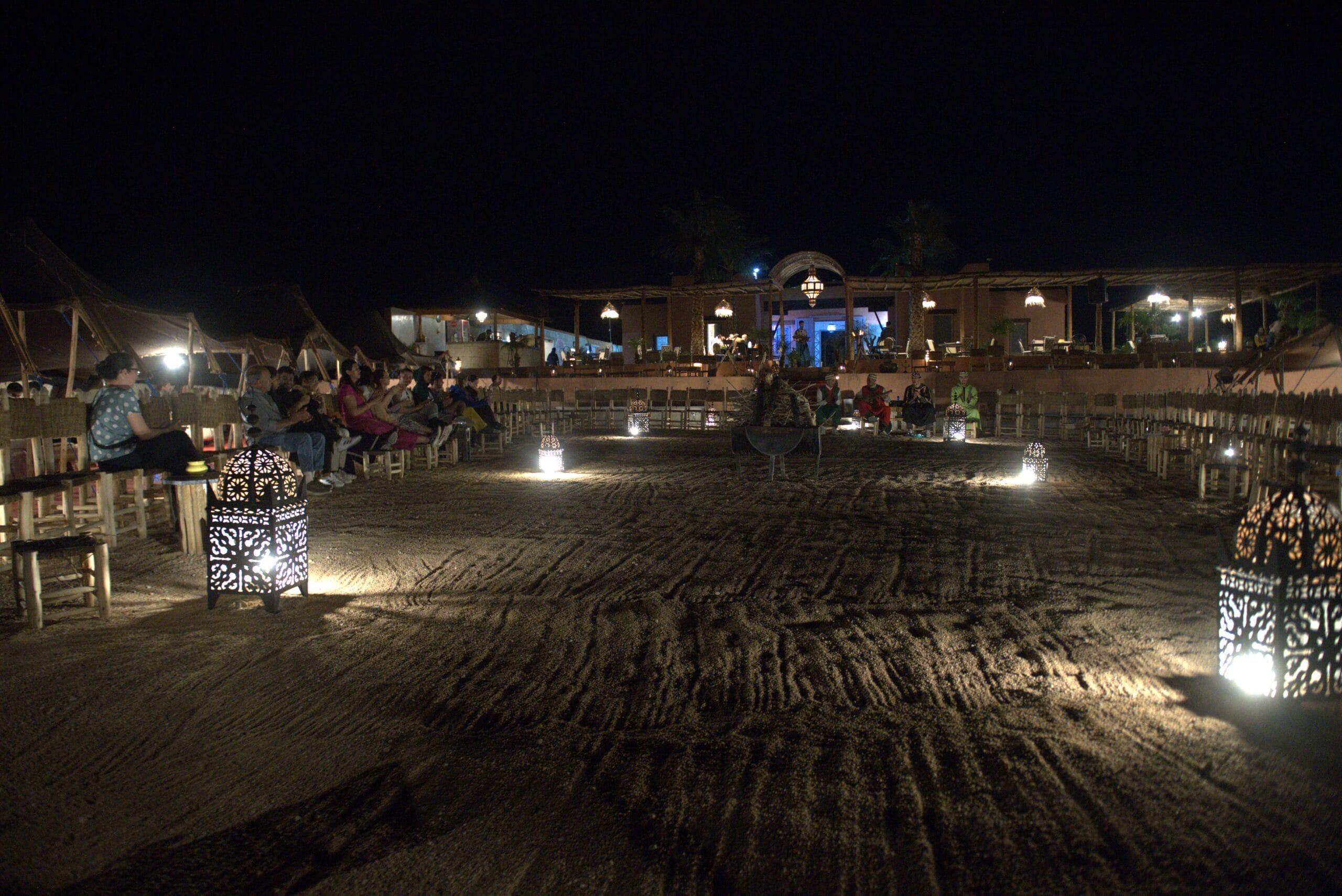
Travellers who plan an afternoon departure from Marrakech and are returning after dark — particularly those attending a desert dinner show — are frequently underprepared for this shift. The transition from active, sun-exposed afternoon to seated, post-dinner evening is when the cold catches you.
A mid-weight fleece or a thin down jacket compresses small enough to fit in a daypack without taking up significant space. It is the kind of item you will either be very glad you packed or will not use at all — and both outcomes are acceptable. The cost of not having it on a cold desert evening is high enough to make it worth including regardless.
Travellers visiting between June and August will find this layer less essential during the day but still useful for late evenings. Those visiting between October and March should treat it as core kit rather than optional. The Atlas foothills shade the Agafay plateau earlier than you might expect in winter months, and temperatures drop sharply within 30 minutes of sunset.
Tip : A thin merino wool base layer serves double duty: it insulates in cool conditions and breathes well enough in warm ones that you do not need to remove it. One item doing two jobs is ideal when packing light for a day trip.
Desert activities burn energy at a higher rate than most leisure travel. A two-hour quad ride, a camel trek, and a walk across rocky terrain add up to a physically demanding day — even if none of them felt like a workout in the moment. Meals provided during excursions vary by operator and timing, and there are often long stretches between food stops on a full-day desert trip.
The snacks you choose matter more in the heat than at home. Chocolate and gummy sweets melt into a mess and spike your blood sugar without providing lasting energy. Protein-rich, low-sugar options hold up better: mixed nuts, seeds, dried fruit (in moderation), energy bars with whole food ingredients, and hard cheese in a sealed pack if you are departing early. These keep you going between activity sessions without the crash that follows a sugar hit.
Savoury crackers or flatbread travel well and pair with any food provided at desert camps or roadside stops. A small amount of salted snacks is actually useful in high heat, as you lose sodium through sweat and mild salt replenishment helps your body retain water more efficiently.
Avoid heavy, fatty foods before and during the active part of your day. A large meal before a quad ride or buggy session in the heat is uncomfortable at best and nauseating at worst. Eat light until the afternoon, then eat properly at the camp or dinner show if your itinerary includes one.
Tip : Pack snacks in individual portions inside a zip-lock bag rather than bringing a full large packet. It reduces waste, keeps contents fresh in the dust, and makes it easy to share or eat on the move without a bag spilling in your pack.
Your phone is doing a lot of work on a desert day trip: navigation, photography, communication with your guide, translation if needed, and the inevitable moment when someone wants to share the location of the meeting point via WhatsApp. A full battery at departure is the minimum; a portable power bank turns it into a full-day resource.
Heat drains batteries faster than normal use. A phone left in direct sun in a vehicle for an hour can drop from 70% to 30% without a single notification. If you are running camera-intensive activities — quad riding, sunset camel trekking, a desert dinner show — you can easily consume a full battery before you are ready to head back to Marrakech.
A 10,000mAh power bank is sufficient to charge most smartphones twice over and adds minimal weight to your daypack. Choose one with a USB-C output if your phone supports faster charging. Avoid very cheap models — they often deliver far less than their advertised capacity and can overheat in direct sun.
Beyond personal use, a charged phone has practical safety value. Desert excursion routes can take you 40 to 60 kilometres from Marrakech on unpaved tracks. Mobile signal exists in most areas near the Agafay plateau and along main routes south, but having a charged device for emergencies is straightforward common sense.
Download an offline map of the region (Google Maps and Maps.me both allow this) before you leave your accommodation. If you lose signal during the trip, you retain a working map without needing data.
Tip : Keep your phone out of direct sun during transfers and activity sessions — stow it in your daypack rather than leaving it on a seat or dashboard. Screen brightness drops and battery drains significantly faster when a device overheats.
A successful desert day trip from Marrakech does not require an expedition’s worth of gear — but it does require the right ten items. Sun protection, appropriate footwear, hydration, a warm layer, and a fully charged phone are the non-negotiables that consistently separate a comfortable, energising day from an exhausting one.
At Quad Marrakech, we provide safety equipment, water stops, and local expertise built on 14 years of guiding travellers through the Agafay plateau and beyond. What we cannot provide is the pair of trainers you left at the riad or the sunscreen you forgot to reapply. Pack from this list, and your energy stays where it belongs — on the ride, the view, and the experience.
Ready to head out? Browse our desert day trip options — from quad biking and buggy rides to camel treks and Agafay dinner shows — and book your excursion directly on our site.
Wear lightweight, breathable clothing that covers your arms and legs. Closed-toe shoes are essential, especially for quad or buggy activities. A scarf or hat protects your head and neck. Bring a warm layer for the late afternoon, as temperatures in the Agafay plateau drop quickly after sunset.
Carry at least 1.5 litres per person for a half-day trip and 2.5 to 3 litres for a full day. Operators often provide water at rest stops, but you should not rely solely on this. An insulated bottle keeps water cooler and makes it easier to drink regularly throughout the day.
No. Open footwear is not suitable for quad biking or buggy rides. It poses a safety risk and most operators will ask you to change shoes or sit out the activity. Wear closed-toe trainers or lightweight hiking shoes for any motorised desert activity.
Yes, temperatures drop significantly after sunset, particularly between October and March. Even in summer, evenings can be 10 to 15 degrees cooler than the midday high. Always pack a mid-weight fleece or thin jacket if your desert day trip extends into the evening or includes a dinner show.
Goggles are typically provided by your excursion operator and are included with quad and buggy rides at Quad Marrakech. Bringing your own wraparound sunglasses or sports goggles is a comfortable alternative if you prefer a personal fit. UV400 protection is the minimum standard to look for.